
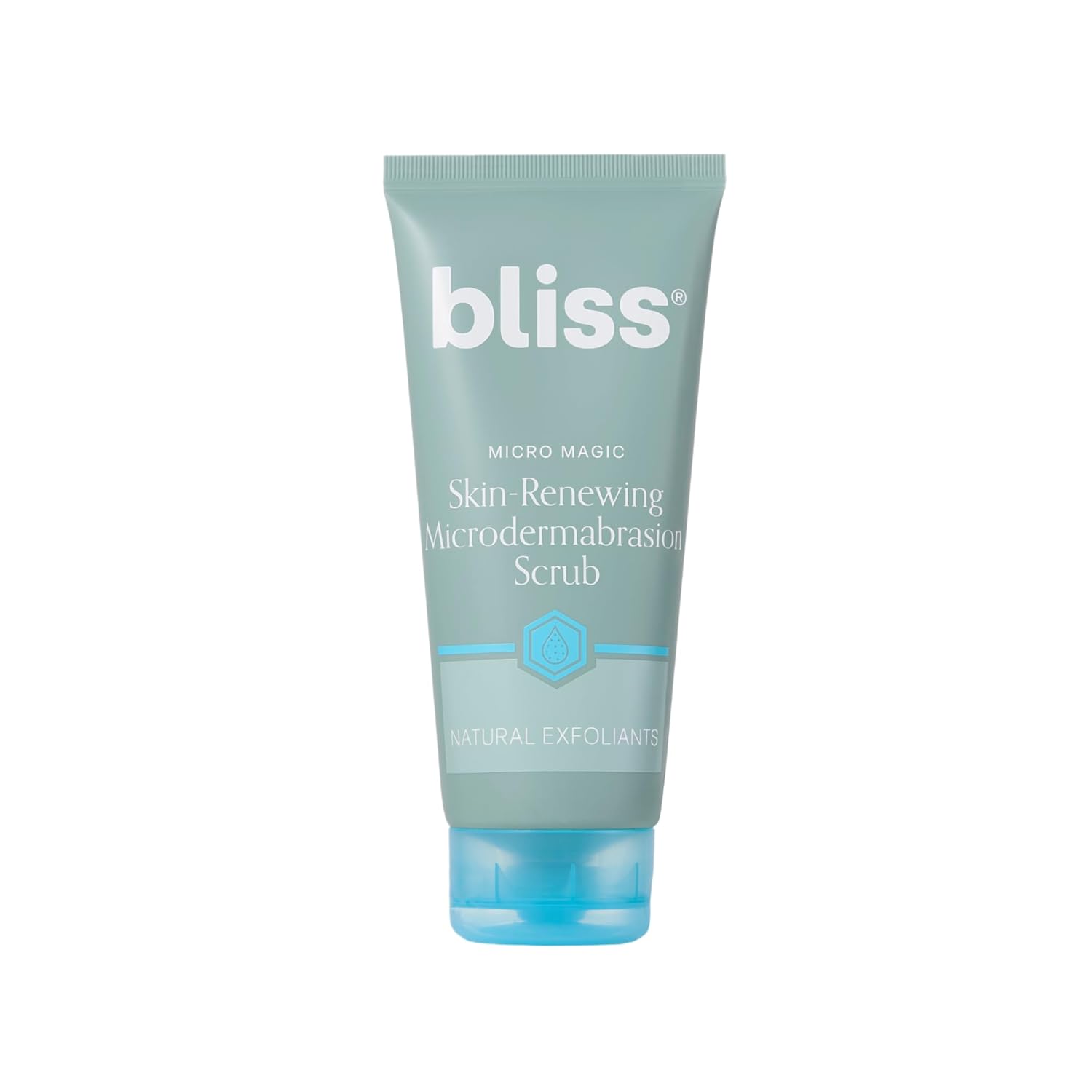


The Essential Guide to Skincare: Unlocking Radiant Skin
Skincare has transcended mere routine; it has become a vital aspect of self-care and well-being. In a world flooded with options, it’s essential to navigate through the right products and techniques for your unique skin needs. This comprehensive guide aims to provide you with actionable insights, helping you understand what works best for your skin type while boosting your overall confidence.
Understanding Your Skin Type
What Are the Different Skin Types?
Identifying your skin type is crucial for tailoring your skincare regimen. Here are the primary categories:
- Oily Skin: Characterized by excess sebum production, this skin type often leads to acne and enlarged pores.
- Dry Skin: Lacks moisture and can feel tight or flaky, making it sensitive and prone to irritation.
- Combination Skin: Exhibits characteristics of both oily and dry skin, often with an oily T-zone and dry cheeks.
- Sensitive Skin: Prone to redness and reactions to various products, requiring a gentle approach.
- Normal Skin: Well-balanced, with minimal issues; this skin type is lucky as it tends to be more forgiving.
How Do You Determine Your Skin Type?
To effectively determine your skin type, conduct a simple test:
- Clean your Face: Gently wash and pat your face dry.
- Wait for an Hour: Refrain from applying products during this time.
- Observe: Note how your skin behaves. Does it feel tight, oily, or balanced?
This exercise will help clarify the proper care needed for your unique skin.
Essential Skincare Ingredients
What Are Key Ingredients for Your Skincare Routine?
Understanding the active ingredients in your products can empower your skincare choices. Here are essential components to consider:
- Vitamin C: An antioxidant that brightens skin and combats aging.
- Hyaluronic Acid: A powerful humectant that retains moisture, making skin appear plump and hydrated.
- Retinol: Promotes cell turnover, reducing fine lines and improving texture.
- Salicylic Acid: Effective for acne-prone skin, it penetrates pores to alleviate breakouts.
- Niacinamide: Helps to minimize pores and even skin tone.
How Does Each Ingredient Benefit Skin?
Each ingredient offers distinct benefits:
- Vitamin C: Protects against environmental damage and boosts collagen production.
- Hyaluronic Acid: Supports hydration, creating a youthful glow.
- Retinol: Enhances skin elasticity over time.
- Salicylic Acid: Helps solve stubborn acne issues.
- Niacinamide: Improves skin resilience and texture.
Skincare Steps: Short and Long Routine
What Is a Basic Skincare Routine?
A well-structured skincare routine ensures that each product works synergistically. Here’s a simple guide to follow:
- Cleansing: Use a gentle cleanser to eliminate impurities.
- Toner: Balance skin’s pH and prepare it for subsequent products.
- Serum: Apply targeted serums based on your skin concerns.
- Moisturizer: Hydrate your skin with a suitable product.
- Sunscreen: Protect against UV rays daily.
How Does a Long Routine Differ?
A more extensive routine may include additional steps, such as exfoliating, masks, or specific treatments:
- Exfoliation: 1-2 times a week, it helps remove dead skin cells.
- Masks: Incorporate weekly for added nourishment.
- Special Treatments: Focus on specific skin issues with targeted products.
Choosing the Right Products
How to Choose Skincare Products for Your Skin Type?
Prioritize products designed for your skin type:
- Oily Skin: Opt for oil-free and non-comedogenic products.
- Dry Skin: Look for cream-based products with hydrating ingredients.
- Combination Skin: Use a mix of products that both hydrate and mattify.
- Sensitive Skin: Choose fragrance-free and hypoallergenic formulations.
- Normal Skin: Maintain a balance with lightweight moisturizers.
What Are Popular Product Recommendations?
Based on our research, consider the following products:
- Cleansers: CeraVe Hydrating Facial Cleanser.
- Toners: Thayers Witch Hazel with Aloe Vera.
- Serums: The Ordinary Niacinamide + Zinc.
- Moisturizers: Neutrogena Hydro Boost Gel-Cream.
- Sunscreen: La Roche-Posay Anthelios Melt-in Milk Sunscreen.
Common Skincare Problems
What Are the Most Frequent Skincare Issues?
Identifying common problems helps you tailor solutions. Here are the most prevalent issues:
- Acne: Excess oil and clogged pores lead to breakouts.
- Hyperpigmentation: Dark spots arise from sun damage or inflammation.
- Aging: Fine lines and wrinkles are signs of declining collagen and elasticity.
- Dryness: Can result from environmental factors or unsuitable products.
How to Address These Issues?
- For Acne: Incorporate salicylic acid and non-comedogenic products.
- For Hyperpigmentation: Use vitamin C and retinol.
- For Aging: Include retinol in your routine and hydrate regularly.
- For Dryness: Embrace moisturizing ingredients like glycerin and ceramides.
Lifestyle Tips for Better Skin
How Does Diet Affect Your Skin?
Your skin reflects your internal health. A balanced diet rich in vitamins, antioxidants, and healthy fats can increase your skin’s vitality. Incorporate:
- Fruits and Vegetables: Rich in antioxidants and vitamins.
- Omega-3 Fatty Acids: Found in fish helps reduce inflammation.
- Hydration: Drink ample water to maintain skin elasticity.
What is the Role of Sleep in Skin Health?
Quality sleep is essential for optimal skin regeneration. Aim for 7-9 hours of quality sleep per night to allow your skin to recover and rejuvenate.
Skincare Myths Debunked
What Are Common Skincare Misconceptions?
There are many misconceptions surrounding skincare. Here’s a look at a few:
-
Myth: Oily skin doesn’t need moisturizer.
- Fact: Hydration is key, even for oily skin.
-
Myth: Expensive products are always better.
- Fact: Ingredients matter more than price.
-
Myth: Sunscreen is only needed on sunny days.
- Fact: UV rays can harm skin even on overcast days.
Pros and Cons of Popular Skincare Trends
What Are the Benefits and Drawbacks of Current Trends?
Embracing new skincare trends can be exciting, but they often come with both advantages and disadvantages.
Pros:
- Innovation: New formulations often offer advanced solutions.
- Customization: Many products cater to diverse skin needs.
- Access: Wide availability means options for all budgets.
Cons:
- Confusion: The overwhelming variety can lead to indecision.
- Trial and Error: Not all new trends will suit your skin.
- Potential Irritation: Strong ingredients may trigger adverse reactions.
Conclusion
The journey to healthy, radiant skin doesn’t have to be complex or overwhelming. By understanding your skin type, harnessing the power of nourishing ingredients, and adapting a well-structured skincare routine, you can effectively address your skin concerns. Adapt your regimen as your skin evolves, and remember that consistency is key. With the insights provided in this guide, you are now well-equipped to indulge in skincare that not only promotes beauty but also enriches your daily self-care practices.
FAQs
1. How often should I change my skincare products?
Changing skincare products should depend on your skin’s response. It’s advisable to give a product at least 4-6 weeks to gauge its effectiveness.
2. Can I use multiple products at once?
Yes, layering products can be effective. However, be cautious not to overload your skin, as this may lead to irritation.
3. What should I look for in a sunscreen?
Look for broad-spectrum protection with at least SPF 30 and ingredients that suit your skin type, such as non-comedogenic properties for oily skin.
4. Is it essential to use a toner?
While it’s not mandatory, toners can help balance your skin’s pH and enhance the absorption of subsequent products.
5. How can I prevent aging skin?
In addition to a strong skincare routine, maintain a balanced diet, stay hydrated, protect your skin from the sun, and prioritize regular sleep.
Disclosure: As an Amazon Associate, I earn from qualifying purchases.

Britt Wolfe is a beauty content creator and Amazon product reviewer with a passion for honest, research-backed skincare and haircare advice. With years of experience testing everything from serums to body butters, Britt helps readers discover products that truly work. When she’s not writing for BeautyGrowers, you’ll find her experimenting with clean beauty routines and decoding ingredient labels so you don’t have to.