
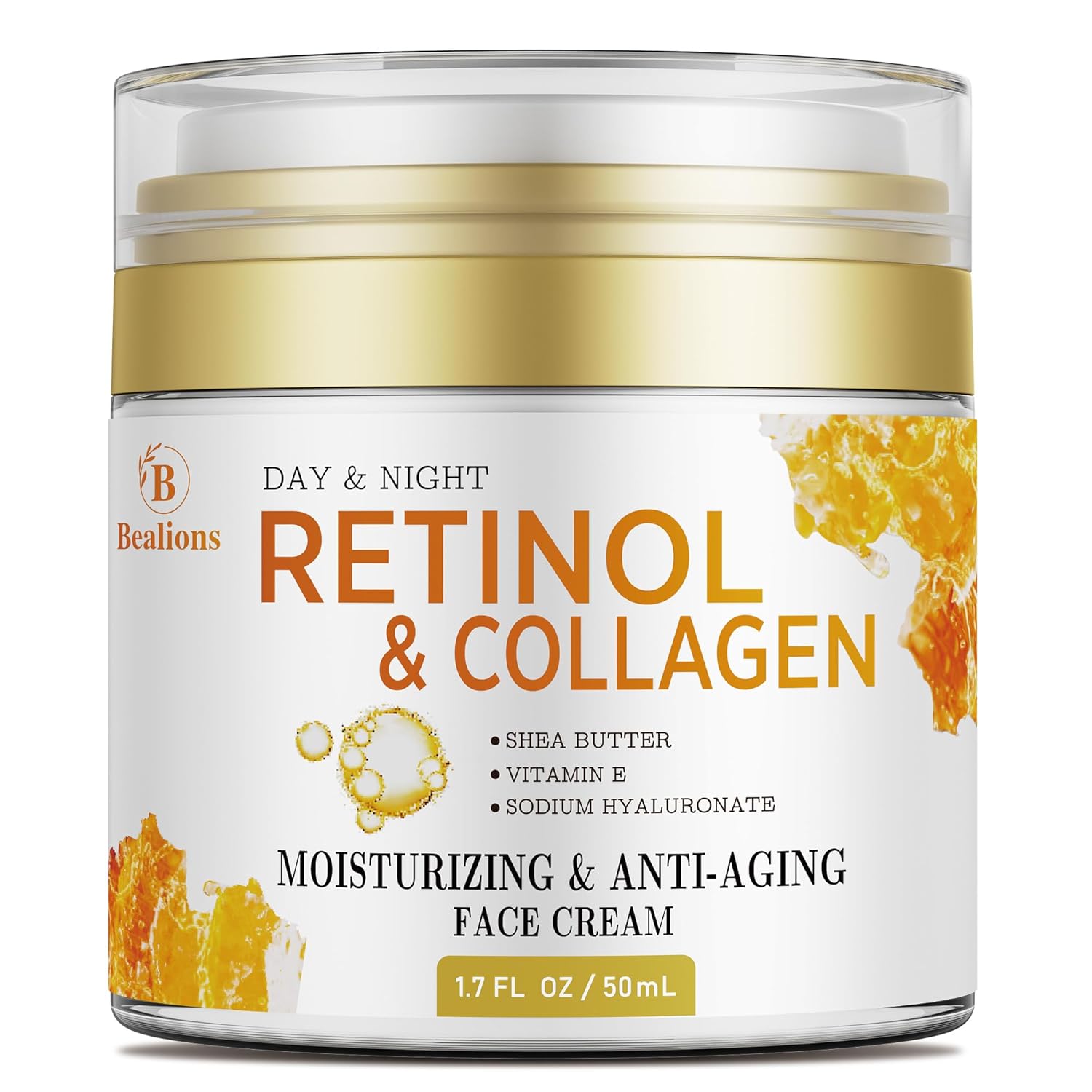


Revitalize Your Skin with Retinol: The Ultimate Guide
When it comes to achieving that radiant, youthful skin, retinol often emerges as a hero ingredient in skincare routines. Known for its powerful anti-aging properties, retinol has captivated beauty enthusiasts and skincare professionals alike. But what makes retinol so effective, and how can you incorporate it into your regimen? Let’s dive into everything you need to know about this miraculous ingredient.
What is Retinol?
Retinol is a derivative of Vitamin A and is commonly used in skincare products to promote cell turnover, unclog pores, and enhance skin texture. Unlike some stronger retinoids available only by prescription, retinol is gentler, making it suitable for most skin types while still being highly effective.
Key Benefits of Retinol
-
Reduces Fine Lines and Wrinkles
One of the primary reasons people turn to retinol is its ability to diminish the appearance of fine lines and wrinkles by stimulating collagen production. -
Improves Skin Texture
Retinol promotes faster cell turnover, allowing for fresher, healthier skin to surface. This results in a smoother texture and can help fade scars and dark spots. -
Unclogs Pores
By promoting exfoliation, retinol helps prevent clogged pores, making it a beneficial choice for those with acne-prone skin. -
Enhances Radiance
Regular use of retinol can lead to an improvement in overall skin tone and brightness.
How Does Retinol Work?
Retinol works by penetrating the skin and converting it into retinoic acid, which is the active form that encourages cell turnover and rejuvenation. Here’s a closer look at its mechanisms:
- Stimulates Collagen Production: Retinol triggers the body’s natural collagen production, strengthening the skin’s structure and elasticity.
- Promotes Cell Turnover: By speeding up the process of shedding old skin cells, retinol reveals newer skin beneath, resulting in a fresh appearance.
- Fades Hyperpigmentation: By breaking down the bonds between skin cells, retinol can help reduce dark spots and uneven skin tone.
Who Should Use Retinol?
Almost everyone, regardless of skin type, can benefit from incorporating retinol into their skincare routine, especially those over the age of 25. However, individual results may vary based on skin sensitivity and specific conditions. If you’re new to retinol, consider starting with a lower concentration to gauge how your skin reacts.
How to Incorporate Retinol into Your Routine
Step 1: Start Slow
If you’re new to retinol, begin with a product that contains a low concentration (0.25% to 0.5%). Use it two to three times a week initially and gradually increase usage as your skin adapts.
Step 2: Apply at Night
Retinol can make your skin more sensitive to sunlight. Therefore, it’s best used as part of your nighttime routine. Cleanse your face thoroughly before applying the product.
Step 3: Use a Pea-sized Amount
Applying too much retinol can cause irritation. Use a pea-sized amount and apply it evenly across your face, avoiding sensitive areas like around the eyes and mouth.
Step 4: Follow Up with Moisturizer
Always follow up with a moisturizer to lock in hydration and minimize potential irritation. Look for creams containing hyaluronic acid or ceramides for the best results.
Common Misconceptions about Retinol
Does Retinol Cause Purging?
A common concern among users is skin purging, which can occur when your skin adjusts to the active ingredient. Purging is often temporary and may include increased breakouts as clogged pores are cleared.
Can You Use Retinol with Other Ingredients?
While retinol can be effective in combination with many ingredients, it’s prudent to be cautious. Combining retinol with powerful acids (like AHAs or BHAs) can heighten irritation. Keep these usage days separate for the best results.
Pros and Cons of Using Retinol
Pros
- Effective Anti-Aging: Retinol is well-known for significantly reducing signs of aging like wrinkles and age spots.
- Enhanced Skin Texture: It helps achieve smoother skin and an even tone.
- Affordable Options: Many effective retinol products are available at various price points, making them accessible to a broad audience.
Cons
- Sensitivity: Some users experience dryness, irritation, or redness.
- Not for Pregnant or Nursing Women: Its use is generally not recommended during pregnancy or breastfeeding.
- Potential Purging: As mentioned earlier, initial breakout periods can deter beginners.
Visible Improvements: What Can You Expect?
Many users report significant improvements within four to twelve weeks of consistent use. However, results may vary based on individual skin types and product formulations. Here are some expected outcomes:
- Week 1: Minor dryness or irritation.
- Weeks 2-4: Increased dryness may occur, but skin starts feeling smoother. Minor breakouts might manifest as skin clears.
- Weeks 4-12: Noticeable improvements in texture and reduction in fine lines.
What Are Other Ingredients to Look For?
In addition to retinol, consider pairing it with:
- Hyaluronic Acid: For added hydration.
- Niacinamide: To calm inflammation and redness.
- Peptides: To support skin elasticity and repair.
How to Choose Quality Retinol Products
When choosing a retinol product, consider the following:
- Concentration: Start with lower concentrations if you’re a beginner.
- Formulation: Look for creams or serums that are specifically designed for your skin type.
- Packaging: Choose products in opaque or air-restricted containers to preserve retinol’s effectiveness.
FAQs
1. How often should I use retinol?
Start with two to three times a week and increase frequency as your skin adjusts.
2. Should I use retinol every night?
It’s best to increase use gradually; monitor your skin’s reaction before committing to nightly use.
3. Can I use retinol with sunscreen?
Absolutely! Retinol increases photosensitivity, so applying a broad-spectrum sunscreen daily is crucial.
4. Is retinol suitable for sensitive skin?
Yes, but start with a lower concentration and monitor skin reactions closely.
5. How do I know if my retinol is working?
Look for improvements in skin texture, firmness, and reduced visibility of fine lines over weeks of regular use.
Conclusion
Retinol is an essential ally when it comes to skincare, offering remarkable anti-aging benefits and enhancing overall skin health. While it may require a little patience and adjustment, the results are often well worth the effort. Whether you’re looking to address fine lines, improve texture, or just want that youthful glow, incorporating retinol into your daily regimen can lead to transformative results. Embrace the journey toward healthier, radiant skin—your complexion will thank you!
Disclosure: As an Amazon Associate, I earn from qualifying purchases.

Britt Wolfe is a beauty content creator and Amazon product reviewer with a passion for honest, research-backed skincare and haircare advice. With years of experience testing everything from serums to body butters, Britt helps readers discover products that truly work. When she’s not writing for BeautyGrowers, you’ll find her experimenting with clean beauty routines and decoding ingredient labels so you don’t have to.