
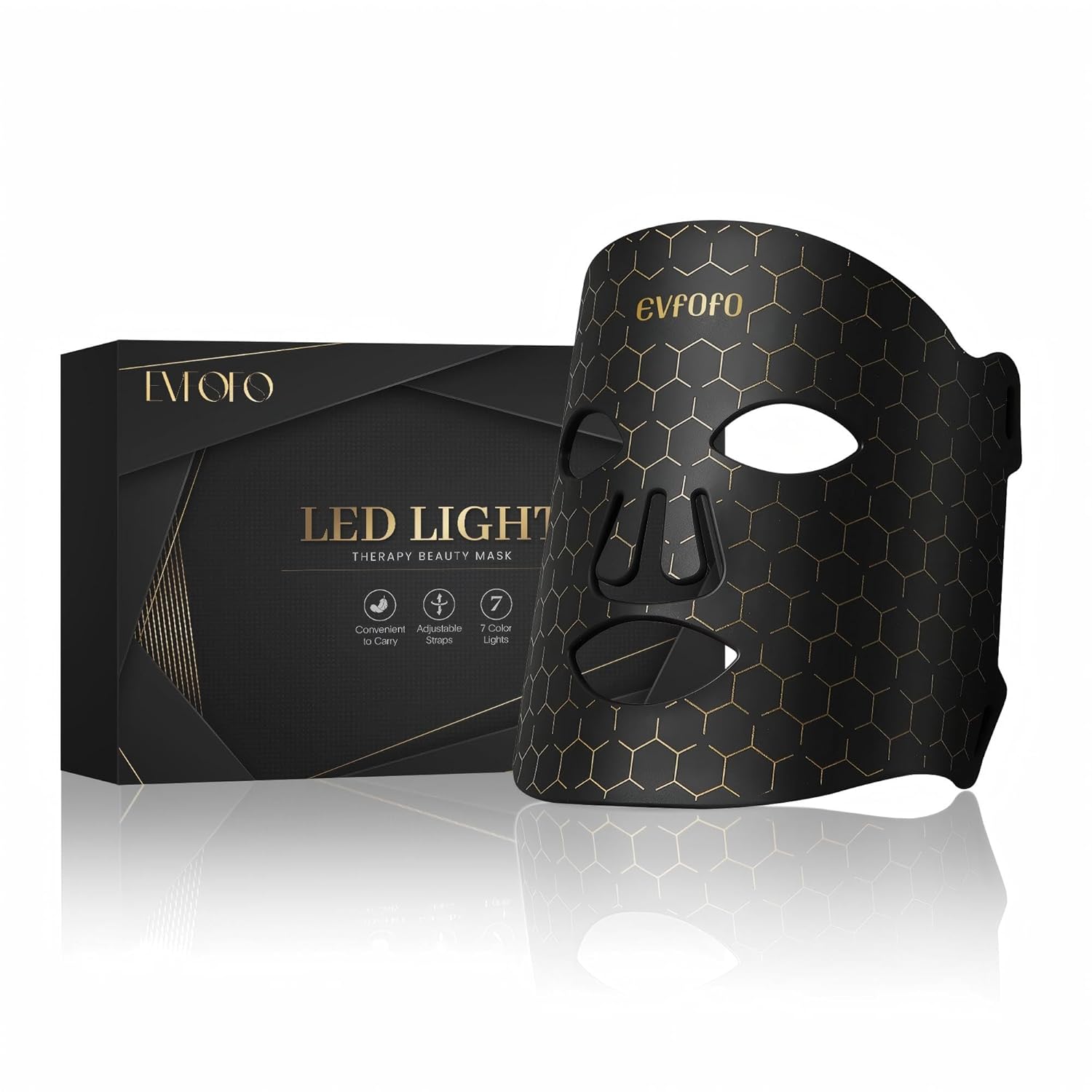


Unveiling the Benefits of Light Therapy: Your Comprehensive Guide
Light therapy has emerged as a revolutionary method to enhance well-being, alleviate mood disorders, and improve skin conditions. This article will explore everything you need to know about light therapy, including its benefits, types of devices, and how to get the most from your sessions.
What is Light Therapy?
Light therapy, also known as phototherapy, uses specific wavelengths of light to treat various conditions. By exposing your body to different light colors, you can influence biological processes. This treatment is widely used for conditions like Seasonal Affective Disorder (SAD), sleep disorders, and even skin issues.
How Does Light Therapy Work?
The science behind light therapy centers on how light interacts with skin and eyes. When light hits the skin, it penetrates deep into the tissues and stimulates cells, influencing hormonal and neurotransmitter levels.
1. Light Exposure and Circadian Rhythms
Light significantly affects our circadian rhythms—the biological clock that regulates sleep-wake cycles. By using bright light in the morning, people can reset their internal clocks, leading to improved sleep and mood.
2. Melatonin Regulation
Melatonin is a hormone that governs sleep cycles. Exposure to bright light during the day helps regulate melatonin production, leading to better sleep quality at night.
Why Use Light Therapy?
1. Treating Seasonal Affective Disorder (SAD)
Many experience symptoms of depression in the winter months due to reduced sunlight. Light therapy mimics natural sunlight, alleviating feelings of gloom and enhancing mood.
2. Skin Conditions
Light therapy also shows promise for treating various skin disorders such as psoriasis, acne, and eczema. Specific wavelengths can reduce inflammation and promote healing.
Understanding Different Types of Light Therapy
Light therapy is not a one-size-fits-all solution. There are several modalities:
1. Bright Light Therapy
Typically administered through light boxes, this therapy involves exposure to bright, white light that simulates sunlight. It’s especially effective for SAD and related conditions.
2. Blue Light Therapy
Blue light is beneficial for skin treatments and helps reduce acne-causing bacteria on the skin. Many dermatologists recommend this form of light therapy for acne management.
3. Red Light Therapy
This form of therapy penetrates deeper into the skin, helping to promote healing, reduce inflammation, and stimulate collagen production. It’s widely used for anti-aging treatments.
Benefits of Light Therapy
Engaging in regular light therapy can offer several advantages:
1. Improved Mood and Energy Levels
Light therapy has been shown to elevate serotonin levels, helping to improve mood and energy. Using it for just 20-30 minutes a day can result in profound changes in your overall emotional well-being.
2. Enhanced Skin Health
Regular use of light therapy can clear acne and reduce signs of aging. Users report smoother, clearer skin after consistent sessions.
3. Better Sleep Quality
By using light therapy to regulate your circadian rhythm, you can achieve more restful sleep and wake up feeling more refreshed.
4. Portability and Ease of Use
Many light therapy devices are compact and easy to use. You can easily incorporate them into your daily routine, whether at home or on the go.
5. A Non-Invasive Treatment Method
Unlike medications that may have adverse side effects, light therapy is non-invasive and is often well-tolerated.
How to Use Light Therapy Effectively
1. Choosing the Right Device
Ensure you use a high-quality device that emits the appropriate wavelengths for your condition. Consult with a healthcare provider to choose the best option.
2. Consistency is Key
Using light therapy consistently is crucial for achieving desired results. Make it a part of your daily routine for maximum benefit.
3. Duration and Timing
For best results, aim for 20-30 minutes of light exposure each day. Morning sessions are often recommended for mood enhancement and sleep regulation.
4. Avoid Direct Eye Contact
While light therapy devices are safe, avoid looking directly into the light to protect your eyes.
5. Combine with Other Treatments
Discuss with your healthcare provider the possibility of integrating light therapy into your overall treatment plan, especially if you are undergoing therapy for other conditions.
Pros and Cons of Light Therapy
Pros:
- Non-invasive and generally safe.
- Improves mood and emotional well-being.
- Helps regulate sleep patterns.
- Can be used for various skin conditions.
- Portable devices make it easy to use anytime.
Cons:
- Results may vary among individuals.
- Initial costs can be high for quality devices.
- May cause mild eye strain or headaches in some users.
- Not a cure-all; effectiveness depends on the condition.
The Best Gift for Health Enthusiasts
Light therapy products make thoughtful gifts for loved ones interested in wellness. For example, a light therapy device could benefit your mother who struggles with mood swings or your friend battling skin issues.
Conclusion
Light therapy is a remarkable tool for enhancing mental well-being and promoting skin health. By understanding its workings and benefits, incorporating it into your routine can lead to significant improvements in mood, sleep, and overall health.
For anyone looking to improve their quality of life, exploring light therapy is a step in the right direction.
Frequently Asked Questions (FAQ)
1. How long does it take to see results from light therapy?
Results can typically be noticed within a few days to weeks, but consistent use is crucial.
2. Are there any side effects?
Mild side effects such as eye strain or headaches may occur but are generally temporary.
3. Can anyone use light therapy?
Most people can safely use light therapy; however, those with certain medical conditions should consult a healthcare professional before starting.
4. How do I choose the right light therapy device?
Look for devices that emit the appropriate wavelengths for your specific needs, and read reviews to assess efficacy.
5. Can I use light therapy with other treatments?
Yes, light therapy can often be combined with other treatments, but consult your healthcare provider to ensure a comprehensive approach.
Incorporating light therapy into your life opens the door to enhanced mood, improved skin health, and better sleep. Embrace the benefits and make it a part of your wellness journey today!
Disclosure: As an Amazon Associate, I earn from qualifying purchases.

Britt Wolfe is a beauty content creator and Amazon product reviewer with a passion for honest, research-backed skincare and haircare advice. With years of experience testing everything from serums to body butters, Britt helps readers discover products that truly work. When she’s not writing for BeautyGrowers, you’ll find her experimenting with clean beauty routines and decoding ingredient labels so you don’t have to.