


The Ultimate Guide to Nail Buffers and Files: Perfecting Your Manicure at Home
Nail care is an essential part of personal grooming that many people overlook. If you want to achieve salon-quality nails in the comfort of your own home, understanding how to choose and effectively use nail buffers and files is crucial. This comprehensive guide will explore everything you need to know, from types of tools to techniques for perfect nails.
What Are Nail Buffers and Files?
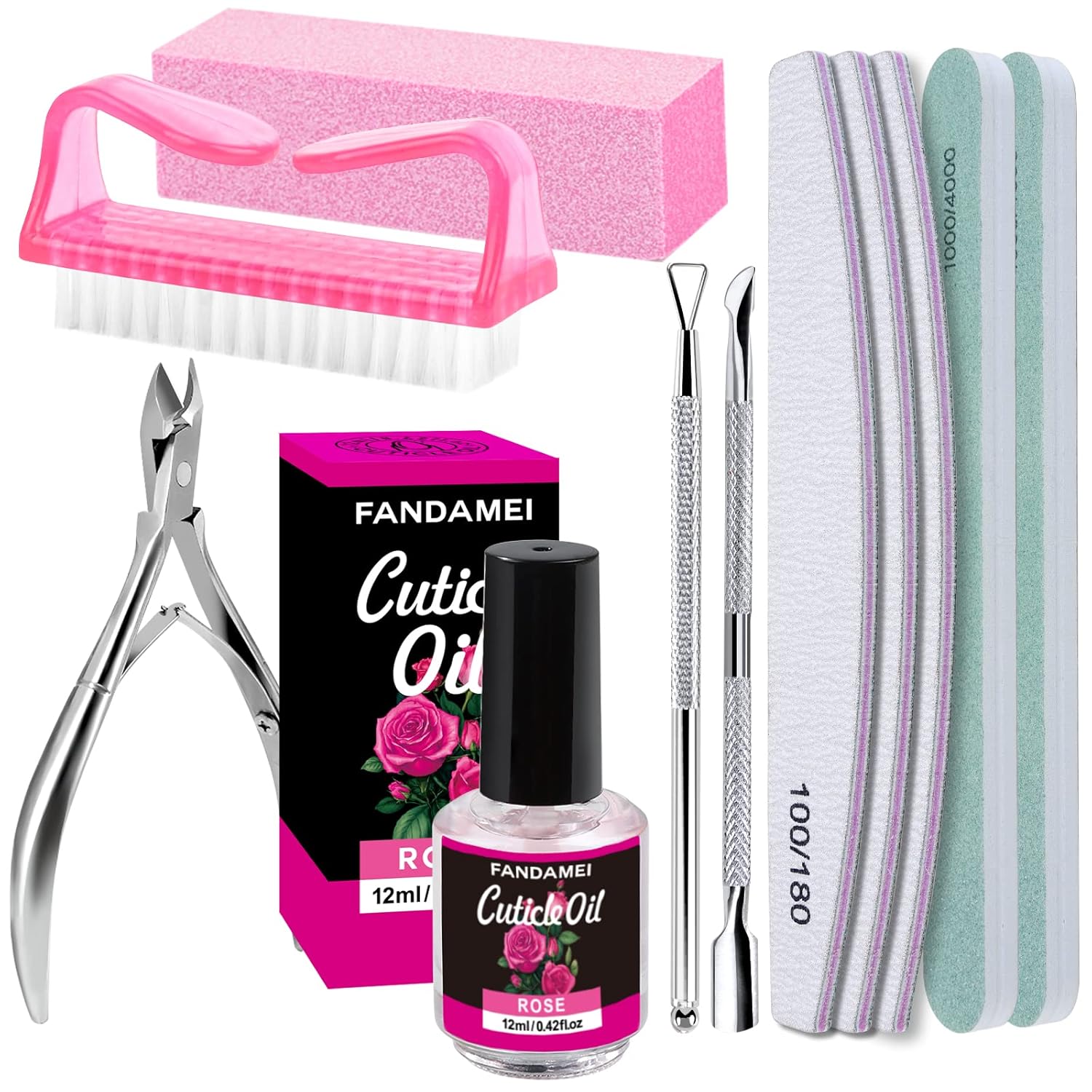
Nail buffers and files are fundamental tools in any manicure kit. They come in a range of shapes, sizes, and grits, all designed for specific tasks. Nail files are used to shape the edges of your nails, while buffers ensure a smooth finish by refining the nail surface.
Why Are Nail Buffers and Files Important?
Having well-groomed nails enhances your overall appearance and promotes nail health. Using the appropriate tools helps prevent damage to your nails while achieving desired shapes and finishes.
Types of Nail Files: What You Need to Know
Choosing the right type of nail file is essential for your specific needs. Below are the most common types you’ll encounter:
Emery Boards
Emery boards are perhaps the most traditional type of nail file. They usually have a rough side for shaping and a finer side for smoothing. They are ideal for both natural and artificial nails.
Glass Nail Files
Glass files are increasingly popular because they are gentle on the nails. They do not cause chipping, making them suitable for fragile or weak nails. Plus, they are washable and reusable!
Metal Files
Often used by professionals, metal files offer precise shaping. However, they can be harsh on the nails, so they require careful handling.
Sponge Nail Files
These files are made of soft sponge material and are perfect for buffing surface irregularities. They provide flexibility, which helps maneuver around the nail curvature.
Understanding Nail Buffers: What Do They Do?
Nail buffers come in various grits, each serving a different purpose.
Dual-Sided Buffers
Many nail buffers feature two sides: one for smoothing out the surface and another for polishing. These are excellent for at-home manicures.
Block Buffers
Block buffers are square or rectangular and provide a more versatile approach. With multiple sides, they can help with smoothing, shining, and finishing your nails.
Polishing Buffers
Polishing buffers are usually finer in grit and focus solely on giving your nails a beautiful glossy finish.
How to Use Nail Buffers and Files Effectively
Step 1: Prepare Your Nails
Start by cleansing your nails thoroughly before any work. Remove any old nail polish, and wash your hands to ensure cleanliness.
Step 2: Shape Your Nails with a File
Using your chosen nail file, begin shaping your nails. Always file from the edge toward the center to avoid splitting.
Step 3: Buff the Surface
After shaping, use a buffer to refine the surface of your nails. Gentle back-and-forth motions are ideal.
Step 4: Polish for Shine
Finish your nail care routine using a polishing buffer for a mirror-like shine. This step enhances your nails’ natural beauty without any nail polish.
Pros and Cons of Nail Buffers and Files
Pros
- Improved Nail Health: Regular use prevents breakage and promotes smoother nails.
- Cost-Effective: Investing in quality tools can save you money on salon visits.
- Convenient: Quick and easy to use, you can pamper yourself at home.
Cons
- Improper Use Can Damage Nails: If not done correctly, filing can lead to thin or damaged nails.
- Maintenance Required: Some buffers, like glass files, need regular cleaning to maintain effectiveness.
- Limited Durability: Some types may wear out quickly, necessitating replacements.
What to Look for When Choosing Nail Buffers and Files
Material Quality
Opt for high-quality materials that ensure durability. Whether you prefer emery boards, glass files, or sponge buffers, choose the best for your nails.
Grit Levels
Understand the grit levels that suit your needs. Lower grit numbers (e.g., 100) are for shaping, while higher numbers (e.g., 400) are for smoothing and polishing.
Size and Shape
Select files and buffers based on your nail shape and size. A variety of shapes can help you navigate different areas, making your job easier.
FAQ Section
1. How often should I buff my nails?
Buffing should be done sparingly, about once every two weeks. Over-buffing can weaken your nails.
2. Can nail buffers cause damage?
If used excessively or too aggressively, yes. Always use gentle motions to avoid thinning your nails.
3. Are professional nail files better than drugstore options?
While professional tools generally offer higher quality, some drugstore options can be excellent if they suit your needs.
4. What’s the best way to clean my nail tools?
Soak them in warm, soapy water followed by a rinse. For glass files, you can use alcohol for disinfecting.
5. Can nail buffers replace nail polish?
While they can enhance shine, buffers do not offer color. If you want color, consider a good nail polish as well.
Conclusion
Understanding how to choose and effectively use nail buffers and files can elevate your nail care routine from basic to luxurious. By selecting the right tools and employing proper techniques, you can achieve stunning, healthy nails that make a statement. So go ahead, invest in high-quality nail tools and give yourself the pampering you deserve, all from the comfort of your home.
The journey to beautiful nails begins with the right water, and now you’re equipped with all the knowledge you need!
Disclosure: As an Amazon Associate, I earn from qualifying purchases.

Britt Wolfe is a beauty content creator and Amazon product reviewer with a passion for honest, research-backed skincare and haircare advice. With years of experience testing everything from serums to body butters, Britt helps readers discover products that truly work. When she’s not writing for BeautyGrowers, you’ll find her experimenting with clean beauty routines and decoding ingredient labels so you don’t have to.