


Ultimate Guide to Frizz-Free Hair: Solutions for Smooth, Polished Locks
Achieving luminous, frizz-free hair is a quest that many embark on, yet few succeed. If you’ve struggled with frizzy, unmanageable hair, you’re not alone. In this comprehensive guide, we will explore effective products, techniques, and tips that can turn your hair dream into a reality.
What Is Frizz and Why Does It Happen?
Understanding why frizz occurs is crucial for effective management. Frizz is a result of hair’s natural texture trying to absorb moisture from the air, particularly in humid conditions. When the hair cuticle lifts, it allows moisture to enter, leading to a puffy, unkempt appearance.
Common causes of frizz include:
- Humidity: Environmental factors can exacerbate frizz.
- Damage: Over-processing, heat styling, and chemical treatments harm the cuticle.
- Dryness: Lack of moisture makes hair more susceptible to damage.
How to Identify Your Hair Type
Before selecting products to fight frizz, knowing your hair type is essential. Hair can range from straight to wavy, curly, or coily. Each type requires different care:
- Straight Hair: Prone to oiliness but can frizz in humidity.
- Wavy Hair: May require specific products that enhance waves while battling frizz.
- Curly Hair: Often needs intense moisture and frizz control to maintain defined curls.
- Coily Hair: Requires deep hydration and nourishment for elasticity and definition.
Best Products for Fighting Frizz
Choosing the right products is a game changer in your hair care routine. Here are some game-changing frizz fighters to consider:
1. Repair & Resurfacing Treatments
These treatments are designed to smooth the hair’s surface and restore moisture. Look for ingredients like keratin and natural oils to strengthen and hydrate.
2. Anti-Frizz Hair Masks
These masks not only nourish but also create a protective barrier, smoothing the cuticles and sealing in moisture. Products with shea butter, coconut oil, or argan oil work wonders.
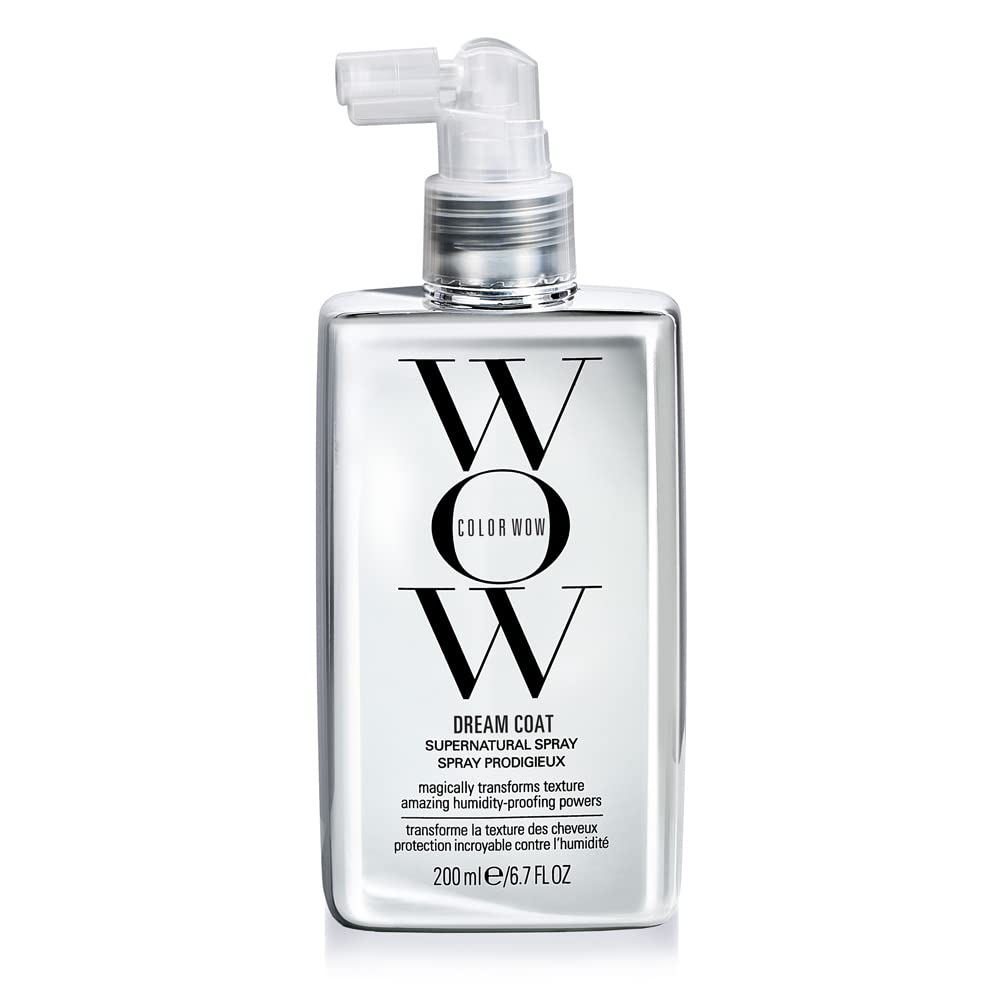
3. Award-Winning Dream Coats
These products utilize waterproofing technology, helping to block humidity while locking in moisture. A step that many overlook is ensuring your hair remains dry despite the weather.
4. One-Step Frizz Control Styling Creams
These creams combine the benefits of gels, serums, and creams in one product, preventing crunchiness and heaviness without compromising style.
How to Apply Frizz-Fighting Products
Application technique is as important as the product itself. Here’s how to maximize your results:
1. Cleanse and Condition First
Always start with a sulfate-free shampoo followed by a moisturizing conditioner. This sets the stage for product absorption.
2. Apply While Damp
Damp hair absorbs products better. Apply your frizz-fighter on wet hair, focusing on mid-lengths to ends. Avoid the roots to prevent greasiness.
3. Use Heat Protection
If you’re heat styling, always use a heat protectant. This minimizes damage and enhances the effectiveness of your frizz-fighting products.
4. Dry Correctly
Consider air-drying for a more natural finish. If you need to blow-dry, use a diffuser to enhance curls and waves while reducing frizz.
What Techniques Help Control Frizz at Home?
Besides products, mastering certain techniques can significantly improve your hair’s texture.
1. Regular Trims
Keeping your ends healthy by trimming every 6-8 weeks can reduce split ends, thus decreasing frizz.
2. Silk Pillowcases
Sleeping on silk helps reduce friction, thereby minimizing frizz and promoting overall hair health.
3. Proper Brushing Techniques
Use a wide-tooth comb or a detangling brush on wet hair to minimize breakage. Avoid brushing your hair too frequently, especially when dry.
4. Hydration and Nutrition
Drinking enough water and a balanced diet rich in vitamins can promote healthier hair from the inside out. Consider supplements that contain biotin and omega fatty acids.
How to Maintain Frizz-Free Hair in Humidity
Humidity can be the ultimate test for your anti-frizz routine. Here’s how to keep your locks in check:
1. Layer Your Products Wisely
Using a combination of a leave-in conditioner and an anti-frizz serum can provide a protective layer against humidity.
2. Avoid Heavy Oils
While oils can be beneficial, too much can weigh your hair down and make it more prone to frizz in humid conditions.
3. Seal with a Gel
A lightweight styling gel can set your hairstyle while providing extra moisture and frizz control.
Pros and Cons of Frizz Control Products
Pros:
- Instant Results: Many products offer immediate smoothing effects.
- Variety of Choices: With numerous options available, you can find something that suits your hair type and personal preference.
- Protective Qualities: Many treatments help protect against damage from heat and environmental factors.
Cons:
- Build-Up: Some products can lead to residue over time, requiring clarifying treatments.
- Costly: High-quality products can be an investment that may not fit everyone’s budget.
- Potential for Allergies: Certain ingredients may not suit sensitive scalps, resulting in irritation.
Conclusion
Achieving frizz-free hair is not an impossible task. By combining the right products, techniques, and a bit of knowledge about your hair type, you can enjoy smooth, polished locks daily. Remember to experiment with various products to find what works best for you. Invest in your hair care routine, and you’ll reap the benefits not only in appearance but also in overall hair health.
FAQs
1. How often should I use an anti-frizz treatment?
Aim for 1-2 times a week, depending on your hair’s needs and moisture levels.
2. Can I use frizz control products on dry hair?
While most products work best on damp hair, many are designed to be used on dry hair for touch-ups.
3. Is every frizz-fighting product suitable for all hair types?
Not all products are universal. It’s essential to choose formulas designed specifically for your hair type for optimal results.
4. Does diet influence hair frizz?
Yes, a well-balanced diet can improve hair health and resilience against frizz.
5. What’s the difference between frizz and flyaways?
Frizz refers to a larger volume of hair exhibiting unruly movement, while flyaways are typically shorter strands that stand up due to damage or dryness.
Adhering to the principles outlined above will enhance your understanding of achieving and maintaining beautiful, frizz-free hair. Equip yourself with knowledge, and you’ll be well on your way to silky, smooth locks.
Disclosure: As an Amazon Associate, I earn from qualifying purchases.

Britt Wolfe is a beauty content creator and Amazon product reviewer with a passion for honest, research-backed skincare and haircare advice. With years of experience testing everything from serums to body butters, Britt helps readers discover products that truly work. When she’s not writing for BeautyGrowers, you’ll find her experimenting with clean beauty routines and decoding ingredient labels so you don’t have to.