
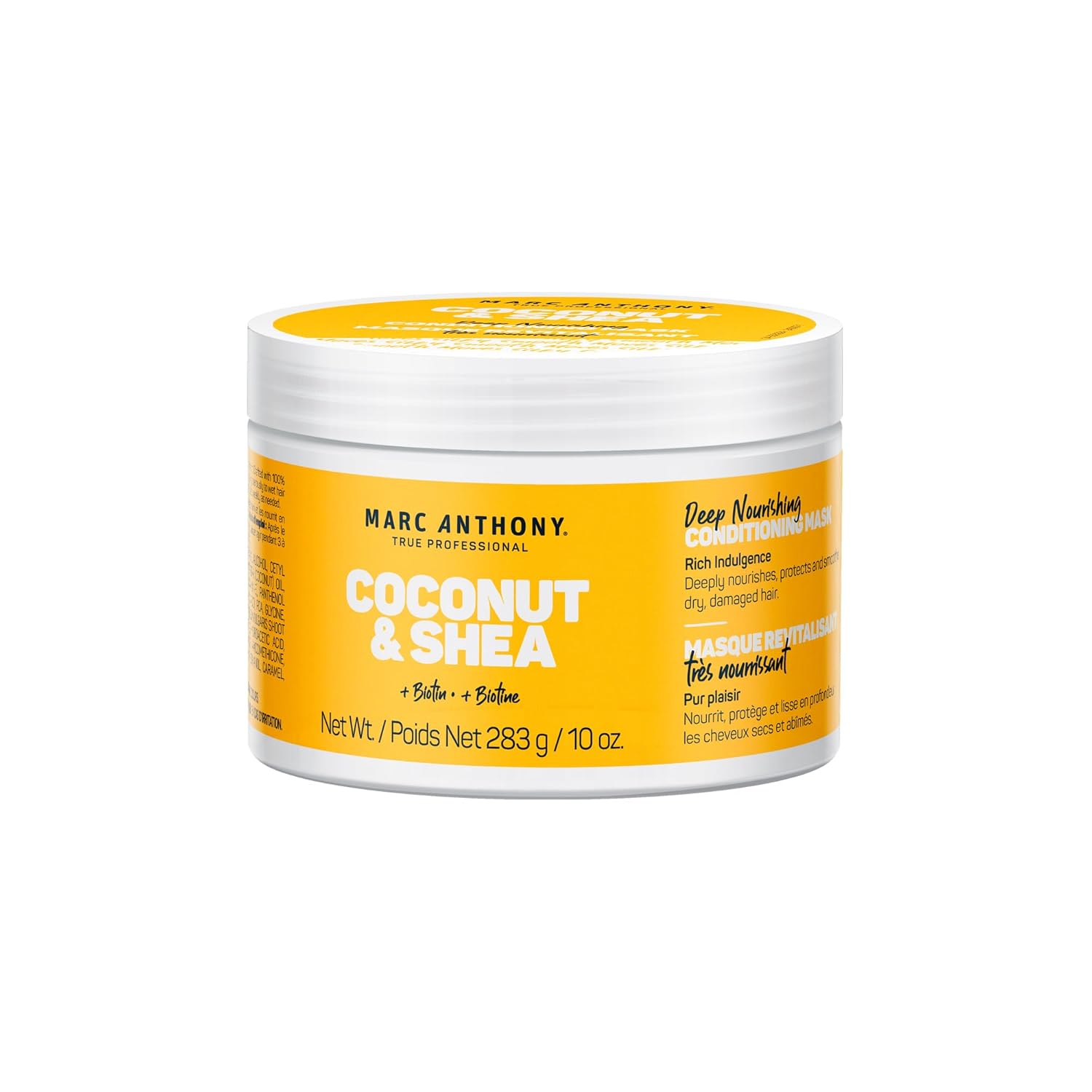


Revitalize Your Hair: The Ultimate Guide to Using Coconut Oil and Shea Butter Treatments
Your hair deserves the best, and nothing nourishes dry, damaged locks quite like coconut oil and shea butter. In this comprehensive guide, we explore the benefits, application methods, and additional tips surrounding these powerhouse ingredients. Whether your hair is frizzy, dry, or simply in need of some TLC, this article is your go-to source for effective solutions.
Why Choose Coconut Oil and Shea Butter for Hair Care?
Coconut oil and shea butter have garnered immense popularity in the beauty industry, and for good reason. Both natural ingredients offer a multitude of benefits for hair health.
What Are the Benefits of Coconut Oil?
- Deep Moisturization: Coconut oil penetrates hair strands more effectively than many conditioners, providing lasting hydration.
- Frizz Control: It smooths the hair cuticle, minimizing frizz and ensuring a sleek look.
- Hair Growth: Coconut oil promotes hair growth by reducing protein loss and providing essential nutrients.
What Are the Benefits of Shea Butter?
- Rich in Vitamins: Shea butter is loaded with vitamins A, E, and F, which help nourish the scalp and improve hair texture.
- Protective Barrier: It acts as a barrier, shielding hair from environmental damage and heat styling.
- Soothes the Scalp: Shea butter has anti-inflammatory properties, making it useful for soothing scalp irritations.
How to Apply Coconut Oil and Shea Butter Treatments
Preparation Steps
- Choose Quality Ingredients: Opt for 100% pure extra virgin coconut oil and raw shea butter to maximize benefits.
- Combine Them: In a bowl, mix one part coconut oil with one part shea butter for a powerful hair mask.
Application Process
- Start with Clean Hair: Wash your hair with a gentle shampoo and towel-dry it.
- Generously Apply the Mixture: Using your fingers, work the mask through your hair from roots to ends, ensuring complete coverage.
- Leave It On: For optimum results, let the mask sit for 3 to 7 minutes. For even deeper nourishment, consider keeping it on for up to an hour.
- Rinse Thoroughly: Follow up by rinsing out the mask completely with warm water. You can re-shampoo if needed to remove any residue.
When Should You Use Coconut Oil and Shea Butter Treatments?
Using these treatments weekly is often beneficial, especially if your hair is particularly dry or damaged. Assess your hair type and adjust usage accordingly.
For Fine Hair
If you have fine hair, opt for lighter applications and limit usage to once every two weeks to avoid weighing it down.
For Thick or Curly Hair
Thicker hair types can indulge in weekly treatments given their higher moisture demands.
Pros and Cons of Coconut Oil and Shea Butter for Hair Health
Pros
- Natural Ingredients: Free from harsh chemicals and synthetic additives.
- Easily Available: Both coconut oil and shea butter are readily accessible online and in local stores.
- Affordability: Compared to salon treatments, DIY masks are budget-friendly.
- Versatile Usage: Can be used in various ways, including masks, leave-in treatments, or hot oil treatments.
Cons
- Greasy Feeling: If not rinsed properly, the treatment can leave a greasy residue.
- Not Suitable for All Hair Types: Some individuals with very fine or oily hair may find this treatment too heavy.
- Potential Allergies: Some people may experience allergic reactions to shea butter. Always conduct a patch test before use.
Deep Conditioning: An Essential Step for Hair Care
Why is Deep Conditioning Important?
Deep conditioning treatments provide intensive hydration, reinforcing each strand with necessary nutrients. This is especially important if you use heat-styling tools or color your hair.
How to Deep Condition with Coconut Oil and Shea Butter
Follow the same steps outlined above, but consider adding a heat element:
- Apply the Mask: After applying the mask, cover your hair with a shower cap.
- Use Heat: Sit under a hooded dryer or wrap a warm towel around your head. This enhances the absorption of nutrients.
Alternatives to Coconut Oil and Shea Butter
While coconut oil and shea butter are fantastic options, other natural alternatives can also support hair health.
- Argan Oil: Packed with antioxidants and essential fatty acids.
- Jojoba Oil: Mimics the scalp’s natural oils, offering great hydration.
- Olive Oil: Rich in vitamins and fatty acids, excellent for nourishment.
Incorporating Coconut Oil and Shea Butter into Your Routine
Daily Hair Care
Consider including a small amount of coconut oil or shea butter into your daily hair care routine. Use a dime-sized amount as a leave-in conditioner to manage frizz and add shine.
Coconut Oil and Shea Butter in Other Products
If you’re not ready to use these ingredients alone, look for shampoos, conditioners, or styling products that contain them for easier incorporation.
Top Tips for Maximizing Results
- Allot Time: Don’t rush through application and rinsing; give your hair the pampering it deserves.
- Listen to Your Hair: Pay attention to how your hair responds. Adjust frequency and application amounts as necessary.
- Combine with Other Treatments: Pair with protein treatments if your hair needs strength alongside moisture.
Conclusion
In essence, coconut oil and shea butter are stellar choices for revitalizing dry, damaged hair. With their incredible moisturizing and protective properties, these natural ingredient treatments can significantly improve hair health, manageability, and overall appearance. By incorporating them into your weekly routine, you can indulge your hair with the nutrients it craves, fostering magnificent results that last.
FAQs
1. How often should I use coconut oil and shea butter on my hair?
Typically, using the treatment once a week is ideal, but adjust based on your hair type and moisture needs.
2. Can I use this treatment on color-treated hair?
Yes! Both coconut oil and shea butter can help maintain the moisture levels in color-treated hair, preventing brittleness.
3. Is there a difference between virgin and refined coconut oil?
Yes, virgin coconut oil retains more nutrients and has a stronger coconut aroma compared to refined coconut oil, which is processed and may lose some benefits.
4. Can I leave coconut oil in my hair overnight?
Yes, leaving it overnight can provide deeper nourishment, but make sure to use a light amount to avoid excess greasiness.
5. What other ingredients can I mix with coconut oil and shea butter for better results?
Consider adding essential oils, honey, or aloe vera for added benefits and to enhance the treatment’s fragrance or texture.
Disclosure: As an Amazon Associate, I earn from qualifying purchases.

Britt Wolfe is a beauty content creator and Amazon product reviewer with a passion for honest, research-backed skincare and haircare advice. With years of experience testing everything from serums to body butters, Britt helps readers discover products that truly work. When she’s not writing for BeautyGrowers, you’ll find her experimenting with clean beauty routines and decoding ingredient labels so you don’t have to.