
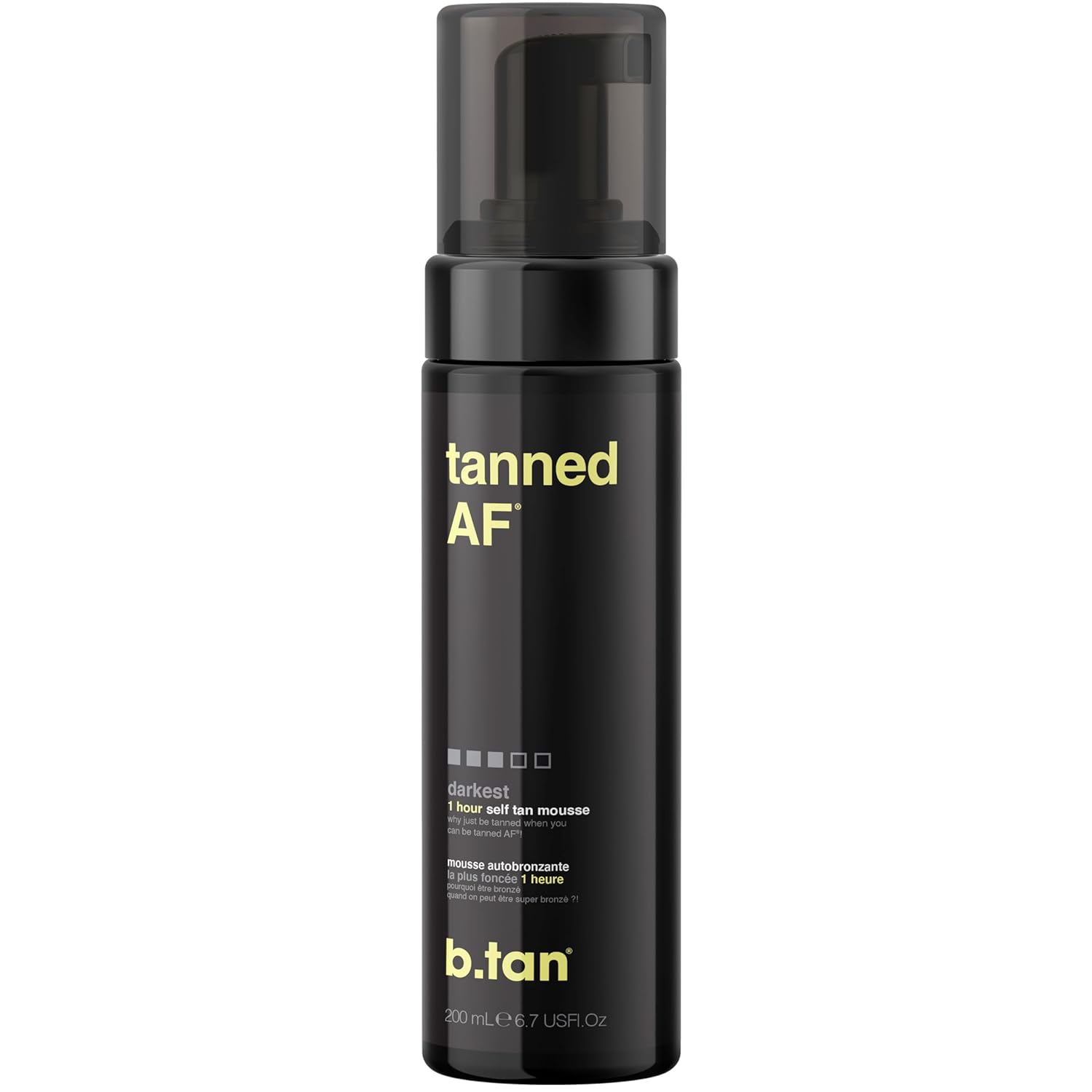


Achieving the Perfect Tan with the Right Self-Tanner: Your Complete Guide
Tanning can be a tricky business. Many people seek that coveted sun-kissed glow without the drawbacks of harmful UV exposure. Fortunately, self-tanners offer a safe way to achieve a beautiful bronzed appearance. In this guide, we will delve into everything you need to know about self-tanners, from understanding how they work to applying them effectively.
What is a Self-Tanner?
Self-tanners are products that enable individuals to achieve a tanned look without sunbathing or visiting tanning beds. They typically contain dihydroxyacetone (DHA), a colorless sugar that reacts with the amino acids in the skin’s surface layer, producing a browning effect.
How Do Self-Tanners Work?
When you apply a self-tanner, DHA interacts with the outer layers of your skin. As the product dries, it creates a pigment called melanoidin, which gives your skin that golden hue. This process usually takes 1 to 3 hours, but full development can take up to 24 hours depending on the product.
Benefits of Using Self-Tanners
- Safe for Your Skin: Unlike sun exposure, self-tanners do not emit harmful UV rays that can damage skin.
- Customizable Results: You can control how dark your tan gets by applying more or less product.
- No Sun Damage: Using self-tanners prevents the skin from experiencing sunburn or premature aging.
Types of Self-Tanners
The variety of self-tanners available can be confusing. Here’s a breakdown of common types:
1. Lotions and Creams
These are easy to apply and work well for beginners. They provide gradual color build-up, allowing for a natural-looking tan.
2. Mousses and Gels
Mousses tend to dry faster than lotions and often provide a more intense tan. The lightweight texture makes application easy.
3. Sprays
Sprays offer even distribution and coverage. However, they require a steady hand or assistance for hard-to-reach areas.
4. Towelettes
These are perfect for travel or on-the-go use. Simply wipe the towelette over your skin for a quick tan.
How to Apply Self-Tanner Effectively
Applying self-tanner can make or break your tanning experience. Follow these steps for the best results:
1. Prepare Your Skin
- Exfoliate: Remove dead skin cells a day before tanning.
- Moisturize: Apply lotion to particularly dry areas like elbows and knees.
2. Choose the Right Shade
Start with a lighter shade and gradually increase the darkness as you become familiar with the product.
3. Use the Right Tools
Invest in an application mitt for a smoother finish. This prevents staining your hands and ensures an even application.
4. Apply Evenly
Work in sections and apply evenly to avoid streaks. Use circular motions to blend the product into your skin.
5. Allow to Dry
Wait a few minutes before putting on clothes, and avoid water for at least 4-8 hours to allow the color to develop.
How to Maintain Your Tan
Once you’ve achieved your desired shade, you want to keep it as long as possible:
1. Hydrate Regularly
Moisturizing daily helps your tan last longer and prevents it from fading unevenly.
2. Avoid Exfoliating
Refrain from heavy scrubbing, as this can strip away the bronzed layer.
3. Reapply as Needed
Depending on the product, you may need to reapply every few days or weekly to maintain your glow.
Common Mistakes to Avoid
- Too much product: Using excessive self-tanner can result in an unnatural orange hue.
- Neglecting hard-to-reach areas: Areas like the neck and back can often be missed, leading to uneven tanning.
- Not testing first: Always perform a patch test to check for allergic reactions on a small area of skin before full application.
Pros and Cons of Self-Tanners
Pros:
- Safe alternative to sunbathing
- Customizable tan shades
- Easy to apply with practice
- Quick results
Cons:
- Can stain clothes
- Might have an odor during application
- Uneven results if not applied correctly
- Temporary and fades over time
What Ingredients Should You Look For?
When choosing a self-tanner, pay attention to the ingredients. Opt for products that are vegan-friendly, cruelty-free, and free from parabens. This ensures that what you’re applying to your skin is not harmful.
Self-Tanner for Sensitive Skin
Those with sensitive skin may worry about irritation. Look for self-tanners specifically designed for sensitive skin. They often contain soothing agents like aloe vera or chamomile.
FAQs About Self-Tanning
1. How long does a self-tan last?
Generally, a self-tan will last about 5 to 7 days, depending on your skin type and care routine.
2. Can I use self-tanner on my face?
Yes! Many brands offer formulas specifically designed for facial use, often lighter and more hydrating.
3. Will self-tanner stain my clothes?
It may leave residual stains, especially if you wear it immediately after application. It’s best to wear loose clothing for several hours post-application.
4. Can I shower after applying self-tanner?
You should wait at least 4-8 hours before showering to allow the tan to develop properly.
5. What’s the best way to remove self-tanner?
Use an exfoliating scrub or a tan remover specifically designed for this purpose to help fade your tan gradually.
Conclusion
Achieving that sun-kissed look doesn’t have to come with the risks associated with UV exposure. Self-tanners provide a practical and safe option to enhance your skin tone without the harmful effects of the sun. By understanding how self-tanners work, selecting the right product, and following the right application techniques, you can achieve a gorgeous tan all year long. So grab your self-tanner and step into your newfound glow!
Disclosure: As an Amazon Associate, I earn from qualifying purchases.

Britt Wolfe is a beauty content creator and Amazon product reviewer with a passion for honest, research-backed skincare and haircare advice. With years of experience testing everything from serums to body butters, Britt helps readers discover products that truly work. When she’s not writing for BeautyGrowers, you’ll find her experimenting with clean beauty routines and decoding ingredient labels so you don’t have to.