
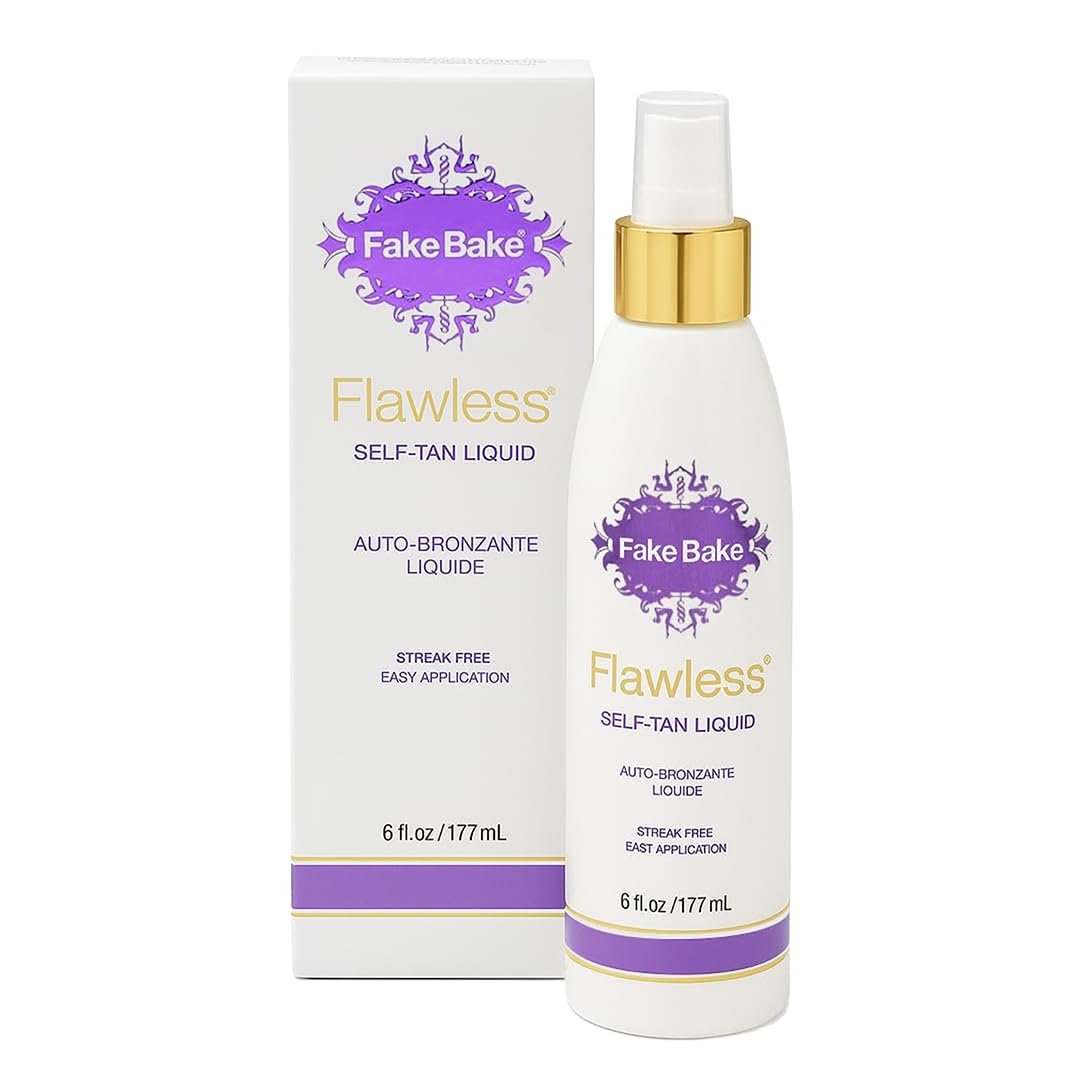


Achieve a Flawless Tan at Home: The Ultimate Guide to Self-Tanning
Tanning is an essential part of many people’s beauty routines. While the sun-kissed look is often desired, the harmful effects of UV exposure can be alarming. This is where self-tanning products come into play. This comprehensive guide will explore how to achieve a beautiful bronze tan safely and effectively, focusing particularly on the benefits of self-tanning formulas.
What Are Self-Tanning Products?
Self-tanning products are topical applications designed to darken the skin’s color without sun exposure. They contain Dihydroxyacetone (DHA), a natural sugar that reacts with the amino acids in your skin, resulting in a darker pigment.
How Do Self-Tanners Work?
When applied to the skin, DHA interacts with the outermost layer, producing a tan that gradually develops over a few hours. This process creates a natural appearance without the risks associated with direct sunlight.
Why Choose Self-Tanners Over Sunbathing?
Opting for self-tanning products over traditional sunbathing has its advantages:
- Safety: Avoid the risk of skin cancer and premature aging.
- Convenience: Get a tan year-round without worrying about the weather.
- Customizable: Many self-tanners allow various application levels, catering to all skin tones.
How to Choose the Right Self-Tanner?
Skin Type Considerations
Selecting the right product can greatly impact your results. Understand your skin type:
- Fair Skin: Look for lighter formulas that provide a gradual bronze effect.
- Medium to Dark Skin: Choose richer formulations for a deeper tan.
DHA Concentration
The concentration of DHA influences how dark the tan will be. Products can range from 5% to 15% DHA concentration, catering to different preferences.
How to Prepare Your Skin for Tanning
Step 1: Exfoliation
A smooth canvas is essential for an even application. Exfoliate your skin 24 hours before applying the self-tanner. Focus on rough areas like elbows, knees, and ankles.
Step 2: Moisturization
Keeping your skin hydrated helps prolong your tan. Apply a lightweight moisturizer to dry areas before tanning. However, avoid moisturizing immediately before application, as it can interfere with the tanning effect.
How to Apply Self-Tanner: A Step-by-Step Guide
Step 1: Choose the Right Time
For optimal results, application should be done in the evening. This allows the product to develop overnight.
Step 2: Use Protective Gear
Wear disposable gloves or use a tanning mitt to avoid staining your palms.
Step 3: Apply Evenly
Start from the legs and work your way up. Use circular motions to ensure even coverage. Pay extra attention to tricky spots, such as the back of your knees and behind your elbows.
Step 4: Blend Carefully
Be cautious around your hands, feet, and face. Use a minimal amount of product in these areas and blend thoroughly to avoid harsh lines.
Step 5: Allow to Dry
Let the product dry completely before getting dressed. Most products recommend waiting at least 15-30 minutes.
What to Expect Post-Application?
Initial Color
Most formulas have a built-in color guide, giving you a visual indication of where the product has been applied.
Development Time
Your tan will typically develop within 4-6 hours, peaking around the 24-hour mark. Avoid showering or sweating during this period for the best results.
How to Maintain Your Tan
Daily Moisturization
Continue moisturizing throughout the duration of your tan. This helps maintain color and hydrate your skin.
Gentle Exfoliation
Avoid aggressive scrubs, as they can strip the tan. Instead, use a gentle exfoliating glove once or twice a week.
Pros and Cons of Self-Tanning
Pros
- No UV exposure, minimizing skin damage.
- Customizable intensity to match different skin tones.
- Convenient and can be done at home.
Cons
- May require practice for a flawless application.
- Potential for streaks or unevenness if mishandled.
- Can have a self-tan smell due to DHA.
What’s Unique About Self-Tanning Formulas Today?
Modern self-tanners are made with skin-loving ingredients. Many brands, such as Fake Bake, emphasize:
- Vegan and paraben-free formulas.
- Natural ingredients that promote skin health.
- Cruelty-free manufacturing processes.
Common Myths About Self-Tanning
Myth 1: Self-tanners stain clothes
While some formulas can temporarily stain clothes, allowing the product to dry completely before dressing minimizes this risk.
Myth 2: All self-tanners smell bad
With advancements in formulations, many self-tanners now contain fragrances to mask the DHA scent or eliminate it altogether.
Conclusion
Embracing self-tanning is a fantastic way to achieve that radiant glow without harmful sun exposure. By understanding the products, preparation, application techniques, and maintenance, you can enjoy a healthy, sun-kissed appearance year-round. Say goodbye to sunburn and hello to a luxurious tan at home!
FAQs
1. How often should I apply self-tanner?
It depends on the product and your desired shade. Generally, reapplication can happen every few days or weekly for maintenance.
2. Can I use self-tanner on my face?
Yes, but ensure it’s suitable for facial skin, and always patch test first.
3. Will self-tanner wash off in the shower?
Self-tanners are meant to be long-lasting; however, they can gradually fade with regular washing and exfoliation.
4. Can I use self-tanner while pregnant?
While most self-tanners are safe, consulting a healthcare professional is advisable.
5. How do I remove self-tanner?
You can remove self-tanner using exfoliation. Look for products specifically designed to break down the color or use a gentle scrub to fade it gradually.
Disclosure: As an Amazon Associate, I earn from qualifying purchases.

Britt Wolfe is a beauty content creator and Amazon product reviewer with a passion for honest, research-backed skincare and haircare advice. With years of experience testing everything from serums to body butters, Britt helps readers discover products that truly work. When she’s not writing for BeautyGrowers, you’ll find her experimenting with clean beauty routines and decoding ingredient labels so you don’t have to.