
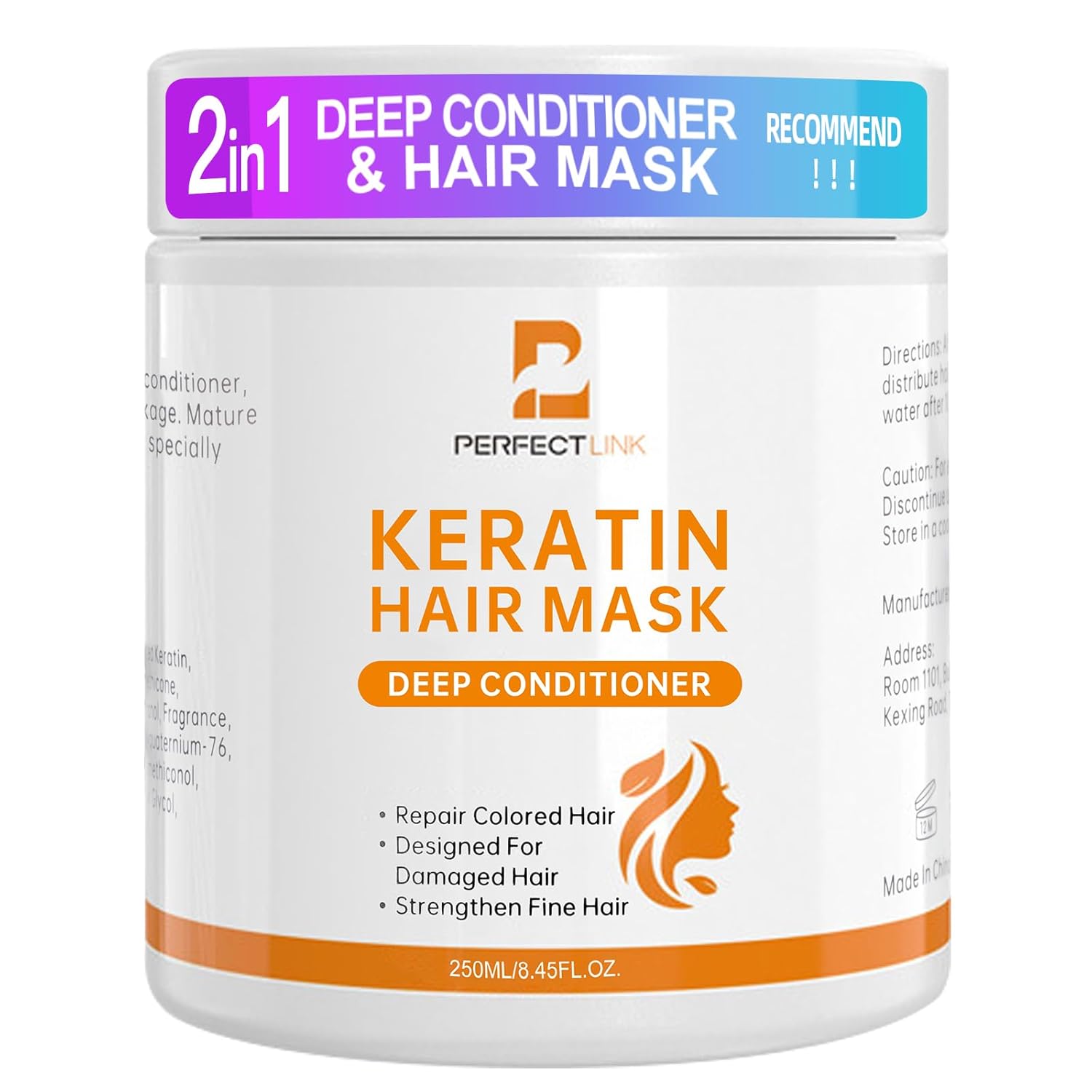


Ultimate Guide to Hair Masks: Revitalize Your Dry Hair
Dry hair is a common issue that affects many individuals, regardless of hair type. The environment, heat styling, and chemical treatments can lead to brittle, lifeless strands. If you’ve been searching for effective solutions to restore your hair’s health, you’ve come to the right place. In this guide, we delve into the world of hair masks—their benefits, how to choose the right one, and the best practices for using them.
What is a Hair Mask?
A hair mask is a deep-conditioning treatment designed to provide intensive moisture and nourishment to your hair. Unlike regular conditioners, hair masks often contain a richer blend of moisturizing agents, oils, and proteins. They penetrate deeper into the hair shaft, making them ideal for treating dry, damaged, or frizzy hair.
Why Should You Use a Hair Mask?
Using a hair mask has numerous benefits:
- Intensive Hydration: It provides deep moisture that regular conditioners often cannot deliver.
- Damage Repair: Hair masks can help repair heat and chemical damage due to their potent formulas.
- Strengthening: They often contain ingredients like keratin that strengthen hair and reduce breakage.
- Frizz Control: A good hair mask can tame frizz, making hair easier to manage and style.
Identifying Dry Hair: How Do You Know if You Need a Hair Mask?
Recognizing the signs of dry hair is crucial in determining whether you need a hair mask. Here are some common symptoms:
- Dullness: Your hair appears lackluster and lifeless.
- Brittleness: The hair feels fragile and breaks easily.
- Rough Texture: Dry hair lacks smoothness and may feel coarse to the touch.
- Frizz: Hair is hard to control and often appears frizzy, particularly in humid conditions.
How to Choose the Right Hair Mask for Dry Hair
When selecting a hair mask, consider the following factors:
Know Your Hair Type
Different hair types require different treatments. For instance:
- Curly Hair: Look for masks with rich oils and humectants.
- Fine Hair: Choose lightweight masks to avoid weighing your hair down.
- Color-treated Hair: Opt for masks designed to protect and maintain color.
Read the Ingredients
Key ingredients to look for include:
- Natural Oils (e.g., Argan, Avocado): They provide deep hydration.
- Proteins (e.g., Keratin): These strengthen and repair damaged strands.
- Humectants (e.g., Glycerin): Ingredients that attract moisture.
Avoid Harmful Chemicals
Steer clear of masks containing sulfates, alcohol, or parabens, as these can further dry out your hair. Instead, seek out products that are labeled free from harmful chemicals.
When Should You Use a Hair Mask?
Frequency is Key: Depending on your hair’s individual needs, you may want to use a hair mask:
- Once a Week: Generally recommended for dry or damaged hair.
- Bi-weekly: Ideal for hair that is healthy but benefits from extra moisture occasionally.
How to Apply a Hair Mask
Application plays a significant role in how effective a hair mask will be. Here’s a step-by-step guide:
Step 1: Prep Your Hair
Start with damp hair. You can wet your hair in the shower before applying the mask.
Step 2: Apply the Mask
Divide your hair into sections for even application. Apply the mask generously, focusing on the ends where hair tends to be driest.
Step 3: Distribute Evenly
Use a wide-toothed comb to distribute the mask evenly throughout your hair.
Step 4: Wait
Allow the mask to sit for the recommended time (usually between 5-30 minutes). This gives the ingredients time to penetrate.
Step 5: Rinse Thoroughly
Make sure to rinse out the mask completely with lukewarm water. Follow up with a light conditioner if desired.
Best Hair Masks for Dry Hair
While many products claim to work miracles, here are some of the top-rated hair masks that you should consider:
1. Argan Oil Hair Mask
Packed with rich argan oil, this hair mask deeply hydrates and enhances shine, making it perfect for dry hair.
2. Coconut Oil Hair Mask
Coconut oil is an age-old remedy for hair health. This mask nourishes and protects, ideal for those dealing with frizz.
3. Keratin Treatment Mask
Formulated to rebuild and strengthen, a keratin treatment mask is fantastic for chemically treated or heat-damaged hair.
4. Avocado Hair Mask
Avocado is rich in vitamins and nutrients, making this mask perfect for softening and moisturizing even the driest locks.
5. Honey and Yogurt Mask
This DIY option provides intense moisture and shine using natural ingredients. Mix honey and yogurt for a nourishing treat!
Pros and Cons of Hair Masks
Understanding the advantages and disadvantages of hair masks can help you make informed decisions.
Pros
- Effective Hydration: Hair masks deliver intense moisture directly where it’s needed most.
- Enhanced Repair: They can significantly improve the health of damaged hair over time.
- Versatile Options: With many formulations available, you can find a mask suited to your unique hair needs.
Cons
- Build-up: If used too frequently, hair masks can lead to product build-up, weighing hair down.
- Time-Consuming: Some masks require a longer application time than regular conditioners.
- Cost: High-quality masks can be more expensive than standard hair care products.
How to Incorporate Hair Masks into Your Routine
Adding hair masks into your hair care routine is simple. Consider making it part of your weekly self-care ritual. Set aside a day for pampering your hair while indulging in a warm bath or reading a good book.
Conclusion
Incorporating a hair mask into your hair care regimen can be a game-changer for dry, damaged hair. By choosing the right mask, employing effective application techniques, and using it consistently, you’ll soon revel in restored shine, strength, and softness. Don’t just settle for dry hair; take action and give your strands the nourishment they deserve.
FAQs
1. How long should I leave a hair mask on?
Most hair masks recommend leaving them on for 5 to 30 minutes. Always check the product instructions for specific guidelines.
2. Can I use a hair mask on color-treated hair?
Absolutely! Select a hair mask specifically designed for color-treated hair to maintain vibrancy and hydration.
3. How often should I use a hair mask if my hair is damaged?
It’s generally advisable to use a hair mask once a week for damaged hair until you see improvement.
4. Can I make a hair mask at home?
Yes! Many natural ingredients like avocado, honey, and yogurt can be blended at home to create nourishing masks.
5. Is a leave-in conditioner the same as a hair mask?
No, a leave-in conditioner provides light moisture, while a hair mask offers a deeper, more intensive treatment for damaged or dry hair.
Disclosure: As an Amazon Associate, I earn from qualifying purchases.

Britt Wolfe is a beauty content creator and Amazon product reviewer with a passion for honest, research-backed skincare and haircare advice. With years of experience testing everything from serums to body butters, Britt helps readers discover products that truly work. When she’s not writing for BeautyGrowers, you’ll find her experimenting with clean beauty routines and decoding ingredient labels so you don’t have to.