


The Ultimate Guide to Makeup Primers: Unlocking Flawless Skin
Makeup primers play a crucial role in achieving a flawless complexion and ensuring your makeup lasts all day. This guide explores everything you need to know about makeup primers, from what they are, how to use them, and the best options available.
What is a Makeup Primer?
A makeup primer is a base product applied before foundation and makeup. Its primary purpose is to create a smooth canvas for makeup application.
Why Use a Makeup Primer?
Primers offer a plethora of benefits, which can enhance your makeup routine significantly.
- Smoother Application: They fill in fine lines and pores, enabling a smoother application of foundation.
- Increased Longevity: Primers help makeup adhere better, resulting in longer wear.
- Control Shine: They can control oil and shine for oily skin types.
- Hydration: Many primers offer hydration, which is vital for dry skin types.
How to Choose the Right Primer for Your Skin Type
1. For Oily Skin
If you struggle with excess shine, look for a mattifying primer. These primers reduce shine and absorb excess oil.
Recommended Ingredients:
- Salicylic Acid
- Silica
- Kaolin Clay
2. For Dry Skin
Hydrating primers are your best friend. They add moisture and create a glowing effect.
Recommended Ingredients:
- Hyaluronic Acid
- Glycerin
- Aloe Vera
3. For Combination Skin
Consider a balancing primer that provides both matte and hydration benefits.
Recommended Ingredients:
- Lightweight silicones
- Natural oils
The Best Makeup Primers on the Market
Choosing the right primer can be overwhelming. Here’s a list of top-rated options that cater to various skin types:
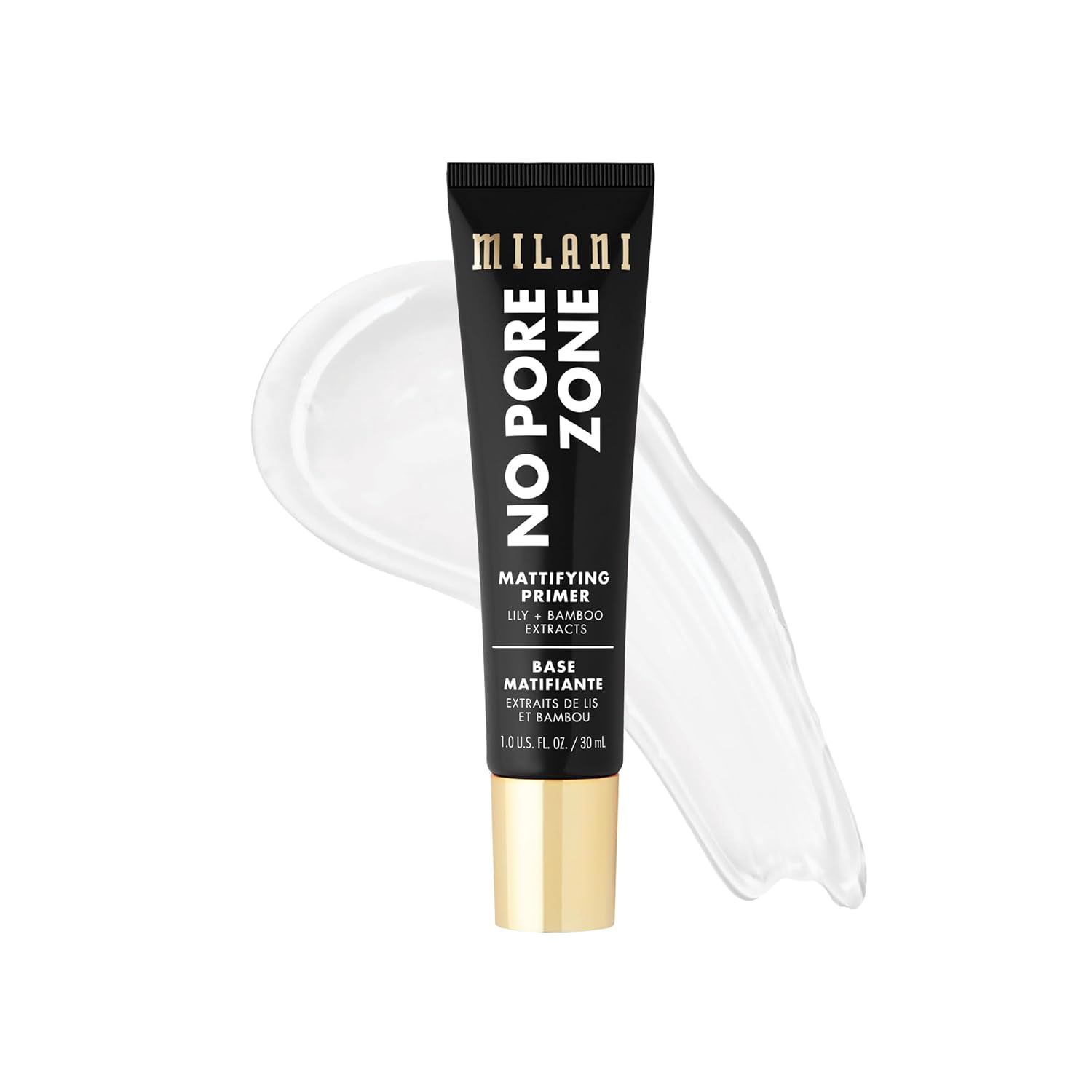
1. No Pore Zone Mattifying Primer
This product effectively blurs imperfections and minimizes the appearance of pores. It’s a favorite among those with oily skin, thanks to its long-lasting mattifying capabilities.
2. Skin Quench Hydrating Primer
Perfect for dry skin, this primer offers deep hydration and helps maintain moisture levels throughout the day. It’s formulated with natural extracts that nourish the skin.
3. SPF BFF Primer with Sunscreen
Not only does this primer prep your skin for makeup, but it also provides sun protection with SPF 30. It’s an excellent two-in-one solution for those who seek extra protection.
4. Bright Side Primer
If you are looking for that dewy glow, this illuminating primer is the perfect choice. It enhances radiance and provides a luminous finish.
How to Apply Makeup Primer Like a Pro
Applying primer correctly is essential for optimal results. Here’s a simple step-by-step guide:
Step 1: Cleanse Your Face
Start with a clean, dry face. Use a gentle cleanser suitable for your skin type.
Step 2: Moisturize
Apply your regular moisturizer to hydrate your skin. This step is especially crucial for dry skin types.
Step 3: Apply Primer
Using your fingers, a brush, or a sponge, apply a pea-sized amount of primer. Focus on areas with pores, fine lines, or dryness.
Step 4: Let it Set
Allow the primer to sit for a minute or two before applying foundation. This helps the primer settle into your skin.
Common Mistakes When Using Makeup Primers
1. Applying Too Much Product
Using more product than necessary can lead to a cakey finish. A little goes a long way!
2. Skipping Moisturizer
Never skip your moisturizer, even if you use primer. Hydration is vital for a smooth look.
3. Mixing Different Formulas
Avoid combining different types of primers with conflicting benefits in one application.
Pros and Cons of Using Makeup Primers
Pros
- Enhanced Makeup Longevity: Keeps your makeup looking fresh all day.
- Improved Texture: Creates a smooth canvas.
- Customization: Available in various formulas for different skin concerns.
Cons
- Can be Pricey: Some high-quality primers can be costly.
- Time-Consuming: Adds an extra step to your makeup routine.
- Potential for Breakouts: Some formulas may clog pores if not chosen wisely.
Frequently Asked Questions
1. Do I need a primer for everyday makeup?
Using a primer isn’t necessary for everyone, but it helps if you want your makeup to look flawless and last longer.
2. How long should I wait after applying primer?
Wait about 1-2 minutes to allow the primer to set before applying your foundation.
3. Can I use a primer without foundation?
Absolutely! A primer can enhance your skin’s appearance even without additional makeup.
4. Are there any primers that help with acne?
Yes, look for primers containing salicylic acid or non-comedogenic formulas, which won’t clog pores.
5. How do I remove primer?
Use a regular makeup remover or cleanser to effectively remove primers just like any other makeup product.
Conclusion
Makeup primers are a vital part of your beauty regimen that can dramatically enhance how your makeup looks and lasts. With the right product tailored to your skin type, you can achieve a flawless finish that lasts all day. Remember to take your time to choose, apply, and enjoy the benefits of a primer for a radiant and youthful appearance!
Disclosure: As an Amazon Associate, I earn from qualifying purchases.

Britt Wolfe is a beauty content creator and Amazon product reviewer with a passion for honest, research-backed skincare and haircare advice. With years of experience testing everything from serums to body butters, Britt helps readers discover products that truly work. When she’s not writing for BeautyGrowers, you’ll find her experimenting with clean beauty routines and decoding ingredient labels so you don’t have to.