
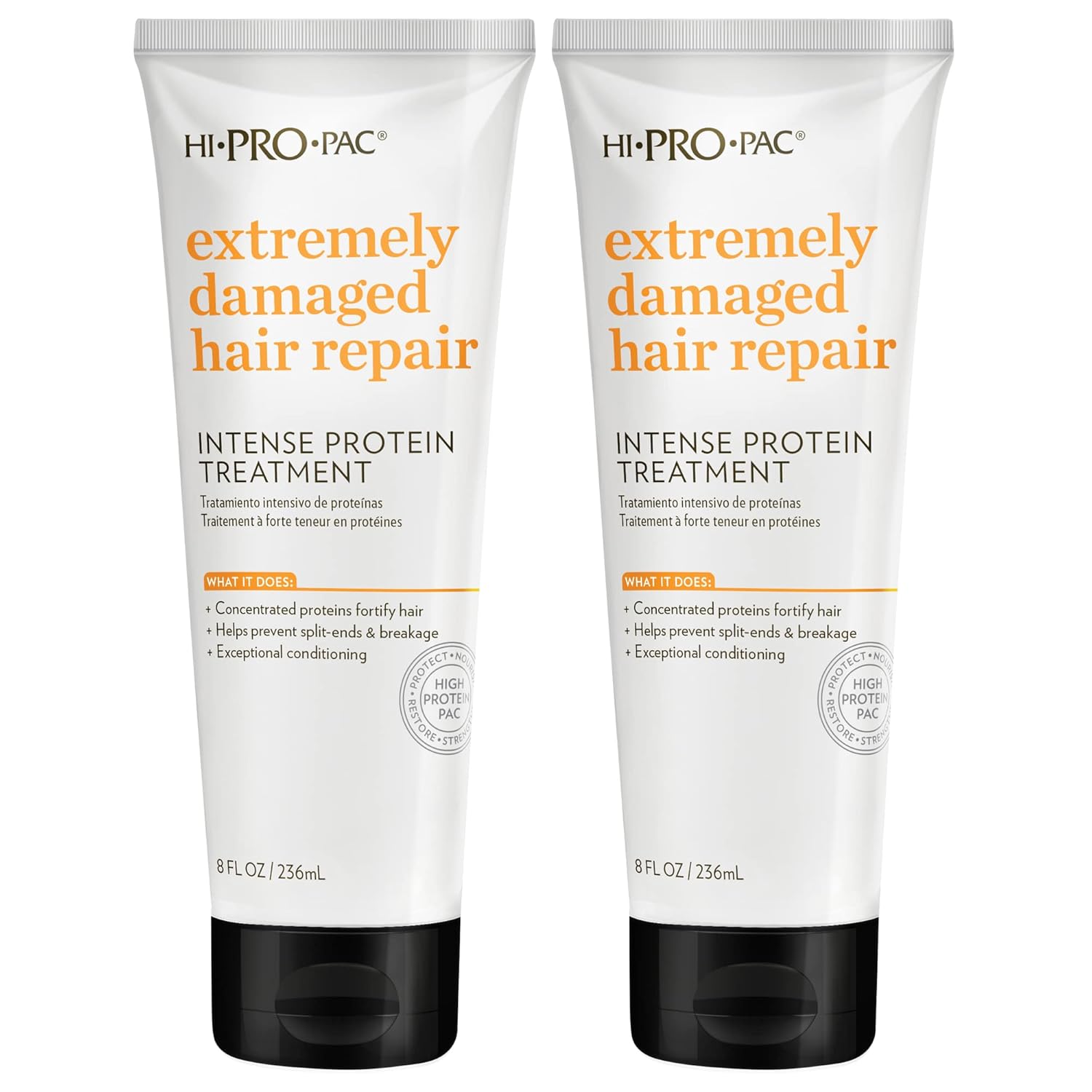


Revitalize Your Locks: The Ultimate Guide to Protein Hair Masks
Hair is often regarded as a reflection of one’s personality and style. With countless treatments available, protein hair masks have gained significant traction in recent years. This comprehensive guide covers everything from the benefits to the application of protein hair masks, ensuring your hair remains healthy and vibrant.
What is a Protein Hair Mask?
A protein hair mask is a deep conditioning treatment designed to replenish protein levels in hair. Our hair is primarily made up of a protein called keratin, which can become depleted through various factors such as chemical treatments, environmental stressors, and heat styling. These masks are formulated with concentrated proteins and active moisturizers that help restore strength and shine.
Why Should You Use a Protein Hair Mask?
Using a protein hair mask offers multiple benefits. Here are some reasons to integrate this treatment into your hair care regimen:
- Repairs Damage: They mend split ends and reduce breakage by reinforcing hair structure.
- Enhances Manageability: With dedicated application, your hair becomes easier to style and manage.
- Boosts Shine: Protein masks improve the overall appearance of hair, making it glossy and vibrant.
- Strengthens Texture: Regular use leads to stronger hair that can withstand various styling techniques.
Who Can Benefit from Protein Hair Masks?
Protein hair masks cater to various hair types. Whether your locks are curly, straight, or color-treated, these products work effectively for:
- Damaged or Over-Processed Hair: If you’ve colored your hair multiple times, protein masks can restore its vitality.
- Curly Hair: Curls can be prone to dryness and frizz; protein masks infuse moisture and protect against breakage.
- Fine or Limp Hair: These masks can add body and volume, giving fine hair a lift.
What Ingredients to Look for in a Protein Hair Mask?
Choosing the right product is essential for achieving optimal results. Here are key ingredients to look for:
1. Collagen
Collagen helps build moisture, improving hair’s manageability and elasticity.
2. Wheat Amino Acids
These acids bind moisture to the hair, enhancing sheen and overall appearance.
3. Hydrolyzed Silk Proteins
Hydrolyzed silk proteins penetrate the hair shaft, providing deep nourishment.
4. Keratin
The primary protein in hair, keratin helps reconstruct and fortify damaged strands.
How to Apply a Protein Hair Mask
Using a protein hair mask is straightforward. Follow these steps for the best results:
Step 1: Preparation
Start with clean, damp hair. Use your regular shampoo, then towel dry your hair gently to remove excess moisture.
Step 2: Application
- Distribute Evenly: Use your fingers or a wide-tooth comb to apply the mask evenly from the roots to the ends.
- Massage: Spend a minute or two massaging the product into your hair. This helps improve absorption.
Step 3: Waiting Period
Leave the mask on for 2-5 minutes, depending on the product instructions. Avoid exceeding the recommended time, as too much protein can make hair stiff or brittle.
Step 4: Rinse Thoroughly
Thoroughly rinse your hair with cool water to seal the cuticles, enhancing shine.
How Often Should You Use a Protein Hair Mask?
Consistency is key. A protein mask can be used once a week for medium or thick hair, and every two weeks for fine hair. Adjust frequency based on your hair’s condition and needs.
Pros and Cons of Protein Hair Masks
Pros
- Strengthens Hair: Reduces breakage and splits ends.
- Improves Texture: Enhances overall manageability.
- Hydration: Combines deep conditioning with protein for hydrated hair.
Cons
- Overuse Risks: Using too frequently can lead to stiffness or brittleness.
- Not Suitable for All: Some hair types may require more moisturizing treatments rather than proteins.
Best Practices for Using Protein Hair Masks
To maximize effectiveness, adhere to these tips:
- Patch Test: Before using any new product, perform a patch test to ensure no allergic reactions.
- Follow with Moisturization: After using a protein mask, follow up with a deep conditioner for hydrated, balanced hair.
- Check Ingredients: Avoid masks with harmful additives or excessive sulfates.
DIY Protein Hair Mask Recipes
For those who prefer organic or homemade solutions, here are two simple recipes utilizing natural ingredients:
1. Egg Yolk and Olive Oil Mask
Ingredients:
- 2 egg yolks
- 2 tablespoons of olive oil
- 1 tablespoon of honey
Instructions:
- Mix all ingredients into a smooth paste.
- Apply evenly and leave for 30 minutes before rinsing off.
2. Yogurt and Honey Mask
Ingredients:
- ½ cup plain yogurt
- 1 tablespoon honey
Instructions:
- Mix the yogurt and honey until combined.
- Apply to damp hair and let sit for 20 minutes, then rinse thoroughly.
Common Mistakes to Avoid
When using protein masks, it’s easy to make errors. Here are some to watch out for:
- Skimping on Rinsing: Any leftover product can weigh down your hair, leading to greasiness.
- Ignoring Specific Needs: Choose a mask that aligns with your hair’s unique requirements.
- Using with Heat: Avoid applying protein masks before heat styling, as this can lead to damage.
How Do Protein Hair Masks Compare to Regular Conditioners?
Protein masks are more concentrated than regular conditioners. While both products hydrate, protein masks focus on repairing and strengthening the hair bonds, making them crucial for damaged or brittle hair.
When Should You Consult a Professional?
If you struggle with persistent hair issues, consider seeking advice from a professional hairstylist or dermatologist. They can provide personalized recommendations tailored to your specific hair type and condition.
Conclusion
Integrating a protein hair mask into your hair care regimen can revolutionize your hair’s health and appearance. By understanding the benefits, knowing how to apply them correctly, and choosing the right products for your hair type, you can achieve vibrant, strong, and shiny locks. Remember to strike the right balance between protein and hydration for optimal results!
FAQs
1. Can I Leave a Protein Hair Mask on Overnight?
Leaving a protein mask on overnight is not recommended as it can lead to protein overload and make your hair stiff.
2. Are Protein Hair Masks Safe for Color-Treated Hair?
Yes, most protein hair masks are safe for color-treated hair, but check the label to ensure it’s suitable for your specific hair care needs.
3. What If My Hair Feels Stiff After Using a Protein Mask?
If your hair feels stiff, it may indicate that the mask was left on too long or that you have applied too much protein. Reduce the frequency of use.
4. Can I Combine Protein Masks with Other Treatments?
Absolutely! However, it’s best to alternate between protein masks and moisturizing treatments to maintain a healthy balance.
5. How Do I Know If My Hair Needs Protein?
Signs that your hair may need protein include excessive frizz, breakage, and an overall lack of elasticity. If your hair feels weaker, a protein treatment could be beneficial.
Disclosure: As an Amazon Associate, I earn from qualifying purchases.

Britt Wolfe is a beauty content creator and Amazon product reviewer with a passion for honest, research-backed skincare and haircare advice. With years of experience testing everything from serums to body butters, Britt helps readers discover products that truly work. When she’s not writing for BeautyGrowers, you’ll find her experimenting with clean beauty routines and decoding ingredient labels so you don’t have to.