
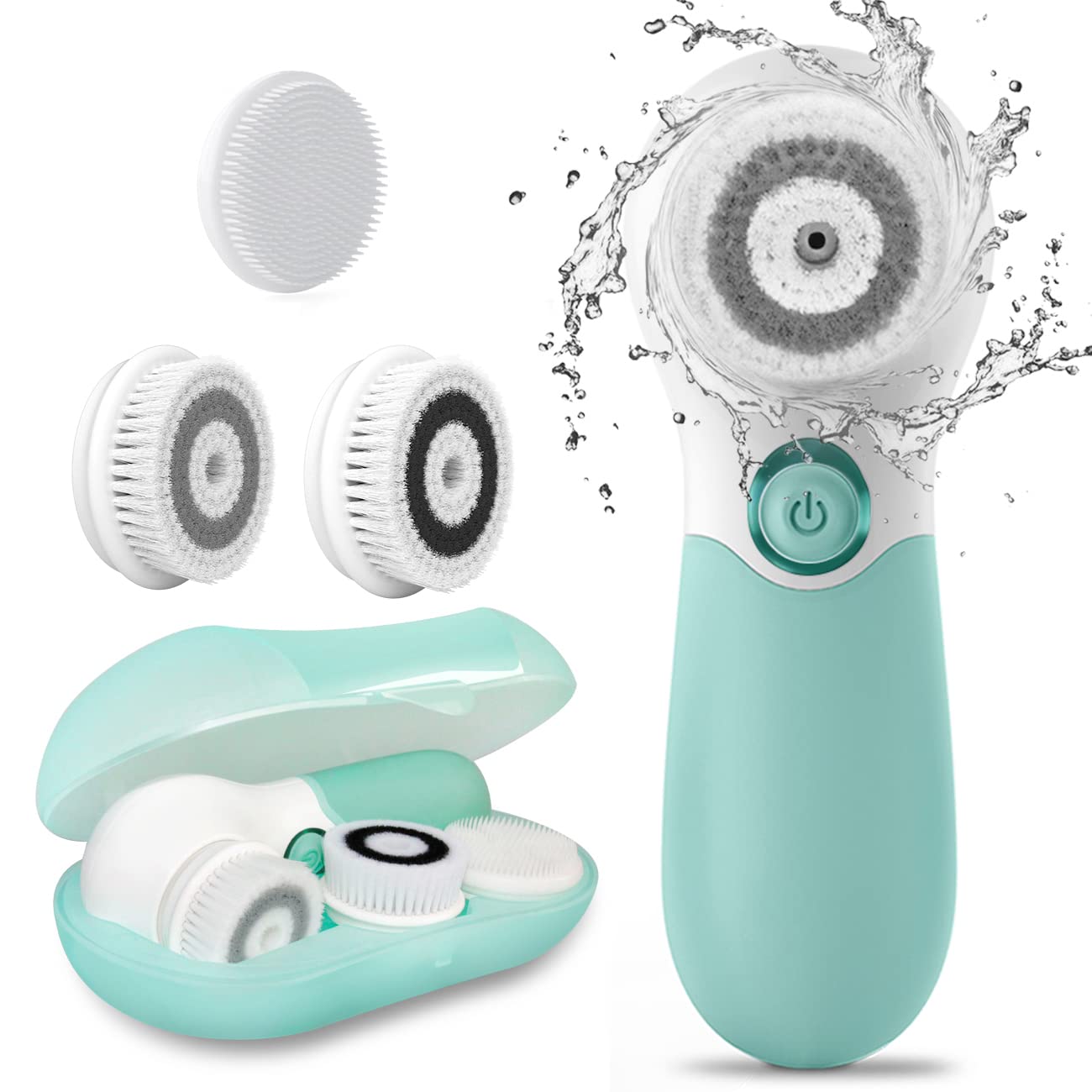


Unlock Radiant Skin: The Ultimate Guide to Facial Cleansing Brushes
In today’s world, achieving radiant skin doesn’t just depend on what you put on it; it requires an understanding of proper cleansing techniques. A leading tool in this pursuit is the facial cleansing brush. This comprehensive guide explores the secrets, benefits, and techniques of using a facial cleansing brush for the best results.
What Are Facial Cleansing Brushes?
Facial cleansing brushes are devices designed to enhance the cleansing process. Unlike traditional hand cleansing, these brushes utilize sonic technology or oscillation to provide a deeper clean. They can remove makeup, dirt, and oil from the skin much more effectively than manual cleansing.
Why Use a Facial Cleansing Brush?
Using a facial cleansing brush offers numerous benefits:
- Deeper Cleanse: These brushes can clean up to six times more dirt than using your hands alone.
- Gentle Exfoliation: They gently slough off dead skin cells, promoting a brighter complexion.
- Improved Skin Texture: Regular use can help you achieve even skin tone and texture.
- Pore Minimization: By keeping pores clean, you can reduce their appearance and prevent breakouts.
How Does a Facial Cleansing Brush Work?
Facial cleansing brushes come with different features, but the core functionality generally includes a rotating or vibrating head that helps to agitate the skin surface. Here’s how to use one effectively:
- Apply Cleanser: Start by dampening your face and applying your favorite cleanser.
- Choose the Right Setting: Depending on your skin type, select the appropriate speed and brush head.
- Circular Motion: Gently use the brush in circular motions across your face.
- Rinse and Dry: After cleansing, rinse your face thoroughly and pat dry.
Types of Facial Cleansing Brushes
Understanding the types of cleansing brushes available is essential for choosing the right one for your skin type.
Rotating Brushes
These brushes feature heads that rotate to deeply cleanse pores. They are effective for those with oily skin, as they can help remove stubborn impurities.
Sonic Brushes
Using sonic pulsations, these brushes can provide a gentle yet effective cleanse. They are usually better suited for sensitive skin types.
Silicone Brushes
Silicone brushes are non-porous and easier to clean. They are ideal for sensitive skin and are often gentler than traditional bristle brushes.
Pros and Cons of Using a Facial Cleansing Brush
Pros
- Deep Cleansing: Removes makeup, oil, and dirt beyond the surface.
- Enhanced Absorption: Prepares your skin to absorb skincare products better.
- Customizable: Many offer interchangeable brush heads for different skin types and needs.
- Exfoliation: Helps to remove dead skin cells, promoting a youthful appearance.
Cons
- Initial Cost: High-quality brushes can be an investment.
- Possible Over-Scrubbing: Using them too often can lead to irritation or dryness.
- Maintenance: They require regular cleaning and eventual brush head replacement.
Choosing the Right Cleansing Brush for Your Skin Type
It’s crucial to select a facial cleansing brush that suits your individual skin needs. Here’s a quick guide:
- Oily Skin: Opt for a rotating brush with firmer bristles.
- Dry/Sensitive Skin: Choose a sonic or silicone brush with softer bristles.
- Combination Skin: A versatile brush with interchangeable heads works best.
Steps to Effective Cleansing with a Facial Brush
1. Preparation
Start by removing makeup. If you wear heavy makeup, consider using a cleansing oil or micellar water to break down the product before using your brush.
2. Dampen Your Face
Use lukewarm water to dampen your face, as hot water can strip your skin of oils and cause irritation.
3. Apply the Cleanser
Choose a mild cleanser suitable for your skin type. Apply it directly to your face or on the brush head.
4. Activate the Brush
Turn on the device and select your desired speed. Begin cleansing using circular motions, targeting each area for about 15-20 seconds.
5. Rinse Thoroughly
After cleansing, rinse your face well to remove any cleanser residue.
6. Follow-Up Skin Care
Apply a toner, serum, and moisturizer afterwards to lock in hydration.
How Often Should You Use Your Facial Cleansing Brush?
Most experts recommend using a facial cleansing brush two to three times a week. This frequency allows for effective cleansing without over-exfoliating or irritating the skin.
What to Look for When Buying a Facial Cleansing Brush
When selecting a facial cleansing brush, consider the following features:
- Skin Type Compatibility: Ensure it aligns with your skin needs.
- Speed Settings: Brushes with multiple settings can offer customized experiences.
- Ease of Cleaning: Select a brush easy to maintain.
- Durability: Look for quality construction to withstand regular use.
Maintaining Your Facial Cleansing Brush
Cleaning Your Brush
To ensure efficient operation and hygiene, clean your brush regularly. Here’s how:
- Rinse the Brush Head: After each use, rinse under warm water.
- Disinfect: Occasionally, use warm, soapy water to deep-clean the bristles.
- Replace Brush Heads: Follow the manufacturer’s recommendations for replacing heads every 2-3 months.
Storing Your Brush
Avoid damp environments where bacteria can thrive. Store your brush in a dry area, ideally in its case.
Conclusion
Facial cleansing brushes are more than just a trend; they’re a powerful ally in your skincare routine. By effectively cleaning the skin and enhancing the absorption of skincare products, these tools can help you achieve a radiant, youthful complexion. Invest in the right cleansing brush tailored to your skin type, follow a consistent routine, and witness the transformation over time.
FAQs
1. Can I Use a Facial Cleansing Brush Every Day?
While some may be tempted to use it daily, experts recommend 2-3 times a week to prevent irritation.
2. Are Facial Cleansing Brushes Suitable for Sensitive Skin?
Yes, if you choose a brush designed for sensitive skin, usually featuring softer bristles or sonic technology.
3. How Do I Know When to Replace My Brush Head?
If you notice discoloration or wear on the bristles, or every 2-3 months per manufacturer guidelines.
4. Is It Safe to Use My Facial Brush in the Shower?
Most cleansing brushes come with a water-resistant rating, but do not submerge them fully.
5. What If My Skin Becomes Irritated After Using the Brush?
If irritation occurs, reduce usage frequency or switch to a gentler brush head, and consult a dermatologist if necessary.
Disclosure: As an Amazon Associate, I earn from qualifying purchases.

Britt Wolfe is a beauty content creator and Amazon product reviewer with a passion for honest, research-backed skincare and haircare advice. With years of experience testing everything from serums to body butters, Britt helps readers discover products that truly work. When she’s not writing for BeautyGrowers, you’ll find her experimenting with clean beauty routines and decoding ingredient labels so you don’t have to.