


The Ultimate Guide to Lip Plumping Treatments: Achieve the Perfect Pout
Lip plumping treatments have surged in popularity, becoming a staple for those seeking fuller, more voluptuous lips. This comprehensive guide will dive deep into everything you need to know about lip plumping, including different treatment options, their pros and cons, and what to consider before committing.
What Are Lip Plumping Treatments?
Lip plumping treatments are cosmetic procedures designed to enhance the volume and shape of the lips. They range from non-invasive options, like topical products, to more significant procedures like fillers. The goal is to create a more defined, luscious look for your lips while maintaining a natural appearance.
Why Choose Lip Plumping Treatments?
Individuals seek lip plumping treatments for various reasons:
- Aesthetic Appeal: Enhancing lip size can balance facial features and create a more youthful appearance.
- Confidence Boost: Fuller lips can boost self-esteem and improve personal image.
- Correcting Asymmetry: Many people have uneven lips; lip treatments can help create a more symmetrical look.
Types of Lip Plumping Treatments
Understanding the variety of lip plumping options available is essential. Here, we explore some popular choices:
1. Temporary Lip Fillers
How Do They Work?
Temporary lip fillers are injectable substances (like hyaluronic acid) that add volume to the lips. They typically last 6 to 12 months before requiring touch-ups.
Pros:
- Immediate Results: You can see results right after the procedure.
- Customizable: Fillers can be tailored to achieve the desired fullness.
Cons:
- Maintenance Required: Regular touch-ups needed for lasting results.
- Risk of Bruising and Swelling: Some people experience temporary side effects.
2. Lip Plumping Glosses and Balms
What Are They?
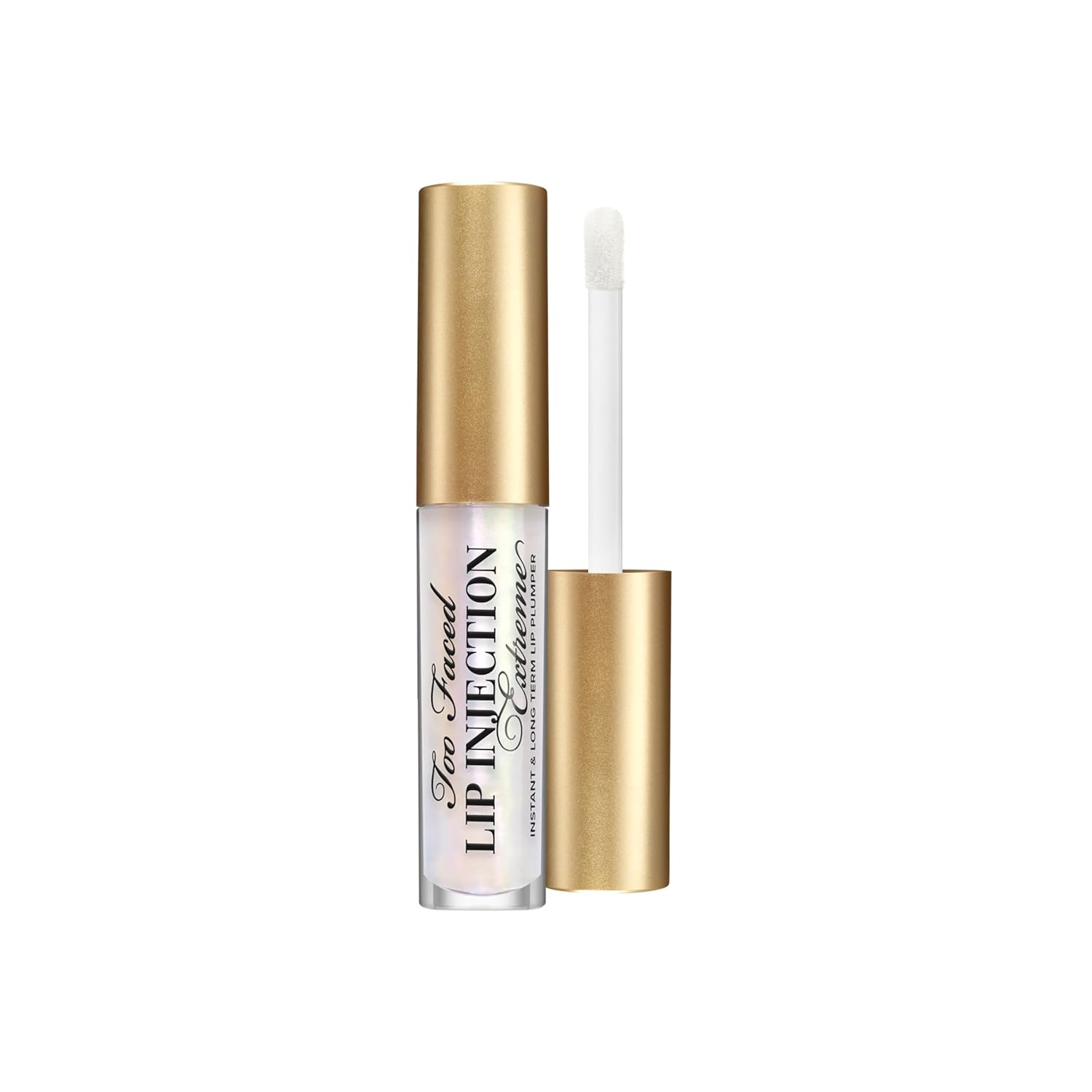
These over-the-counter products promise to give the illusion of fuller lips by using ingredients like peppermint oil and cinnamon, which can temporarily swell the lips.
Pros:
- Non-Invasive: No needles or recovery time involved.
- Affordability: Generally inexpensive compared to other options.
Cons:
- Short-Lived Effects: Results last a few hours at most.
- Irritation Risks: Some users may experience allergic reactions.
3. Surgery
What Does It Entail?
Procedures like lip augmentation surgery permanently increase lip volume using implants or fat grafting.
Pros:
- Long-Lasting Effects: Results can last years.
- Enhanced Contour: Substantial changes in lip shape can be achieved.
Cons:
- Costly: Much more expensive compared to fillers or glosses.
- Surgical Risks: Includes anesthesia complications and longer recovery times.
How to Choose the Right Treatment for You
1. Understand Your Goals
Before choosing a treatment, clarify what you want. Do you desire a subtle enhancement, or a more dramatic change? Your goals will guide your decision.
2. Assess Your Budget
Different treatments come with different price tags. Research and find what fits into your budget while still meeting your needs.
3. Consult Professionals
Always consult with licensed professionals before deciding on a treatment. They can provide valuable insights into what will work best for your lip structure and skin type.
4. Consider Potential Side Effects
Every treatment comes with risks. Make sure to discuss these in detail with your healthcare provider.
Are There Alternatives to Lip Plumping Treatments?
If you’re hesitant about lip plumping treatments, consider these alternatives:
1. Makeup Techniques
How Can Makeup Help?
Strategic application of lip liners and gloss can create the illusion of fuller lips. By slightly overlining and adding light-reflecting gloss, you can enhance your pout without any cosmetic procedures.
2. Natural Remedies
Some suggest natural remedies using ingredients like sugar and coconut oil for exfoliation and hydration to make lips look healthier and subtly fuller.
What to Expect During Treatment
For Fillers:
- Preparation: The area is cleaned and may receive a numbing agent.
- Injection: The filler is injected in small amounts for precision.
- Follow-Up: A follow-up visit might be recommended to assess results.
For Surgery:
- Consultation: Thorough discussions about goals and surgical procedures.
- Pre-Op Guidelines: Important steps to follow before surgery.
- Recovery Time: Understand what to expect post-surgery, including swelling and pain management.
Tips to Maintain Fuller Lips
To prolong the effects of any lip plumping treatment, consider these tips:
- Stay Hydrated: Drink plenty of water to keep lips plump and moisturized.
- Use Lip Treatments: Regularly apply moisturizing balms to prevent dryness.
- Avoid Smoking: Smoking can age lips and cause them to lose their fullness over time.
Pros and Cons of Lip Plumping Treatments
Pros:
- Enhanced Aesthetics: Fuller lips can elevate your facial appearance.
- Non-Surgical Options: Many treatments are quick and minimally invasive.
Cons:
- Temporary Solutions: Many treatments require ongoing maintenance.
- Possible Complications: Allergic reactions and other side effects are possible.
Conclusion
In the world of beauty and aesthetics, lip plumping treatments offer various options to achieve that perfect pout. By understanding the different types available, weighing the pros and cons, and consulting with professionals, you can make an informed decision. Whether you choose topical treatments for quick results or surgical procedures for lasting change, fuller lips can enhance your overall look and boost your confidence.
FAQs
1. How long do lip fillers last?
Lip fillers typically last between 6 to 12 months, depending on the type used and individual factors.
2. Are lip plumping glosses safe?
Generally, yes. However, they can cause irritation in some individuals. Always check the ingredients.
3. Can I remove lip fillers?
Yes, hyaluronic acid fillers can be dissolved with an enzyme called hyaluronidase.
4. Will I experience pain during the treatment?
Most professionals use numbing agents to minimize discomfort during the procedure.
5. Are there risks associated with lip augmentation surgery?
Like any surgical procedure, risks include infection, scarring, and anesthesia complications. Consulting a qualified surgeon can mitigate these risks.
By following this guide, you’re now well-equipped to make educated decisions about lip plumping. Achieving gorgeous, fuller lips is within your reach, whether through professional treatments or natural techniques.
Disclosure: As an Amazon Associate, I earn from qualifying purchases.

Britt Wolfe is a beauty content creator and Amazon product reviewer with a passion for honest, research-backed skincare and haircare advice. With years of experience testing everything from serums to body butters, Britt helps readers discover products that truly work. When she’s not writing for BeautyGrowers, you’ll find her experimenting with clean beauty routines and decoding ingredient labels so you don’t have to.